
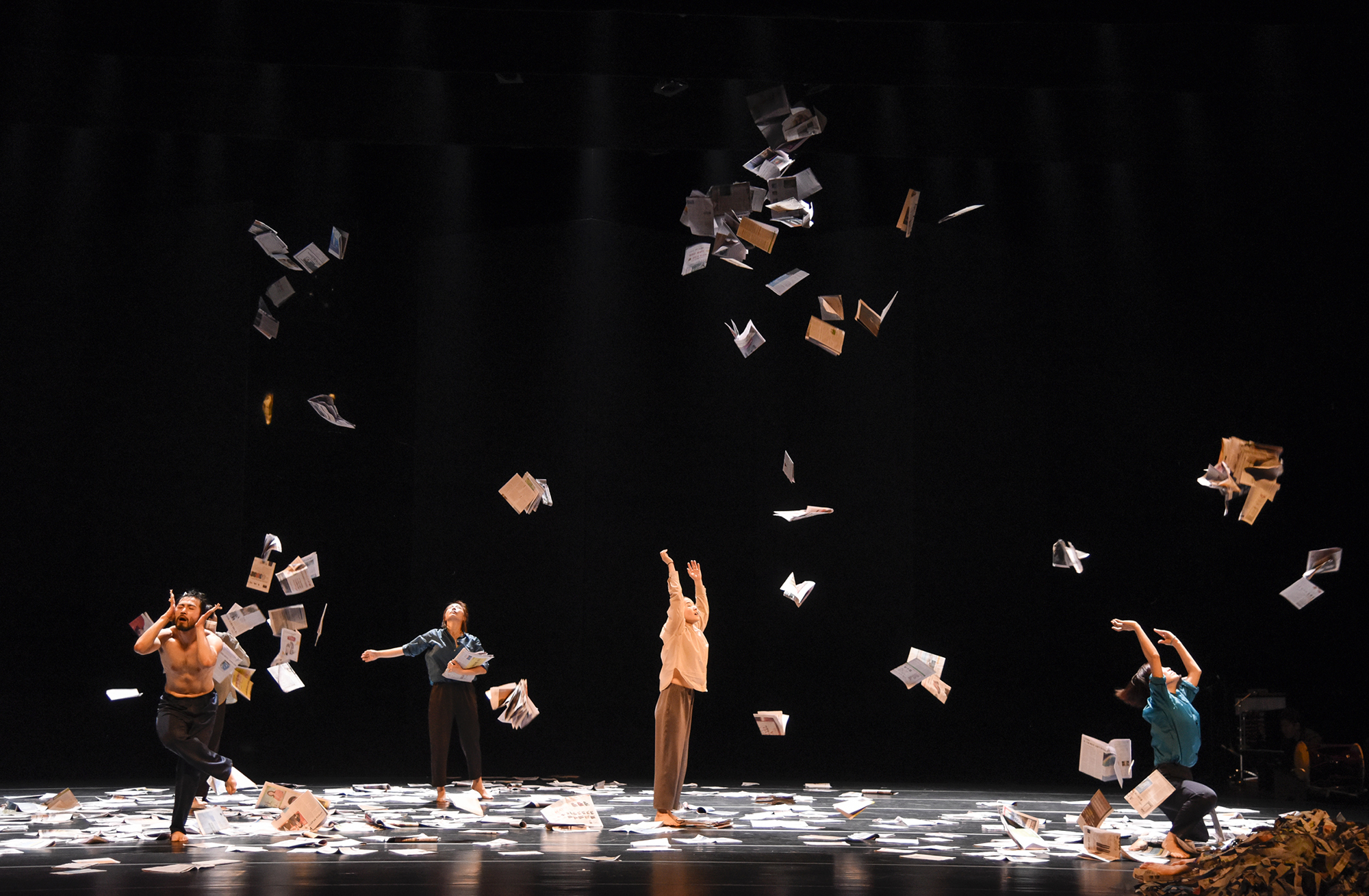
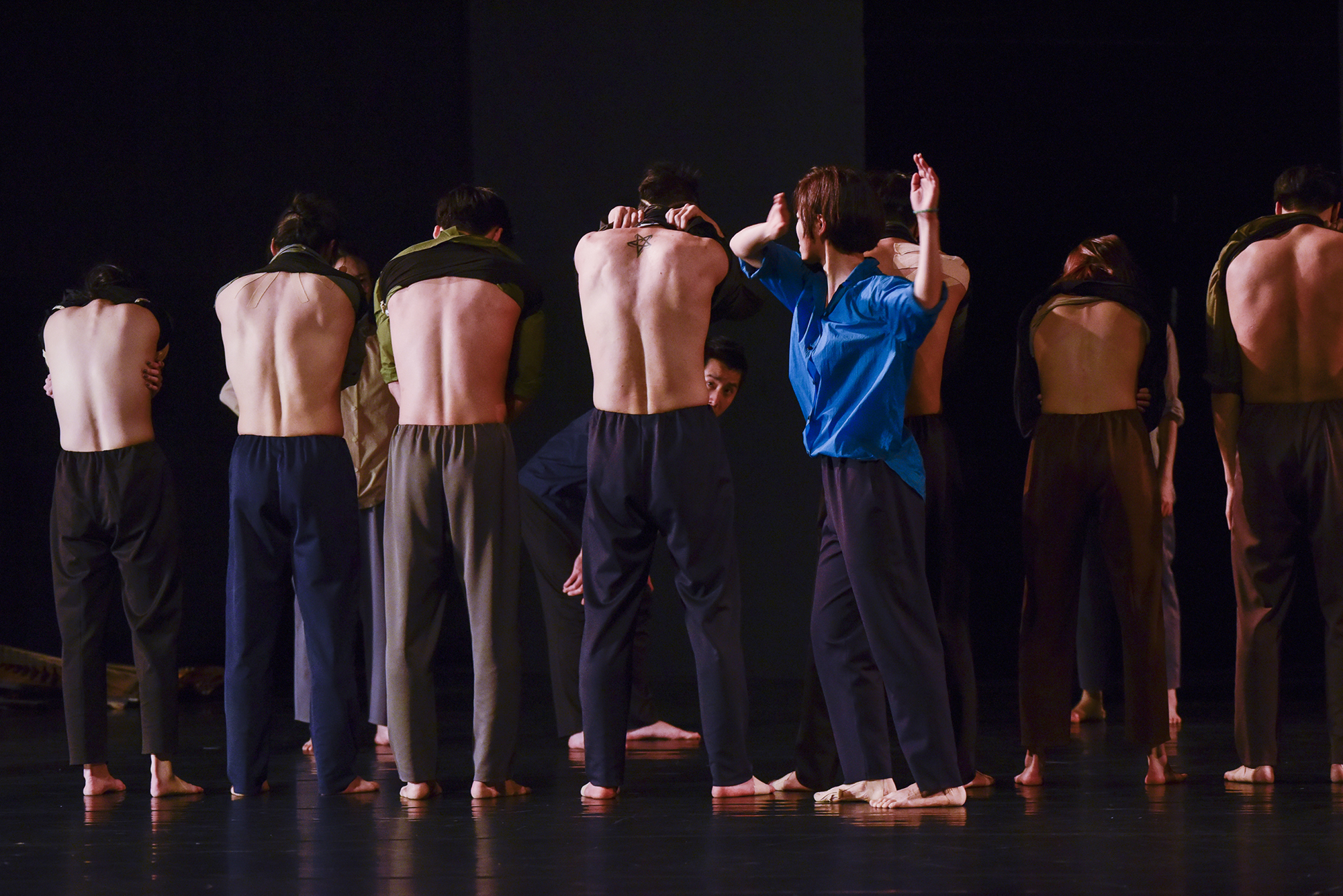
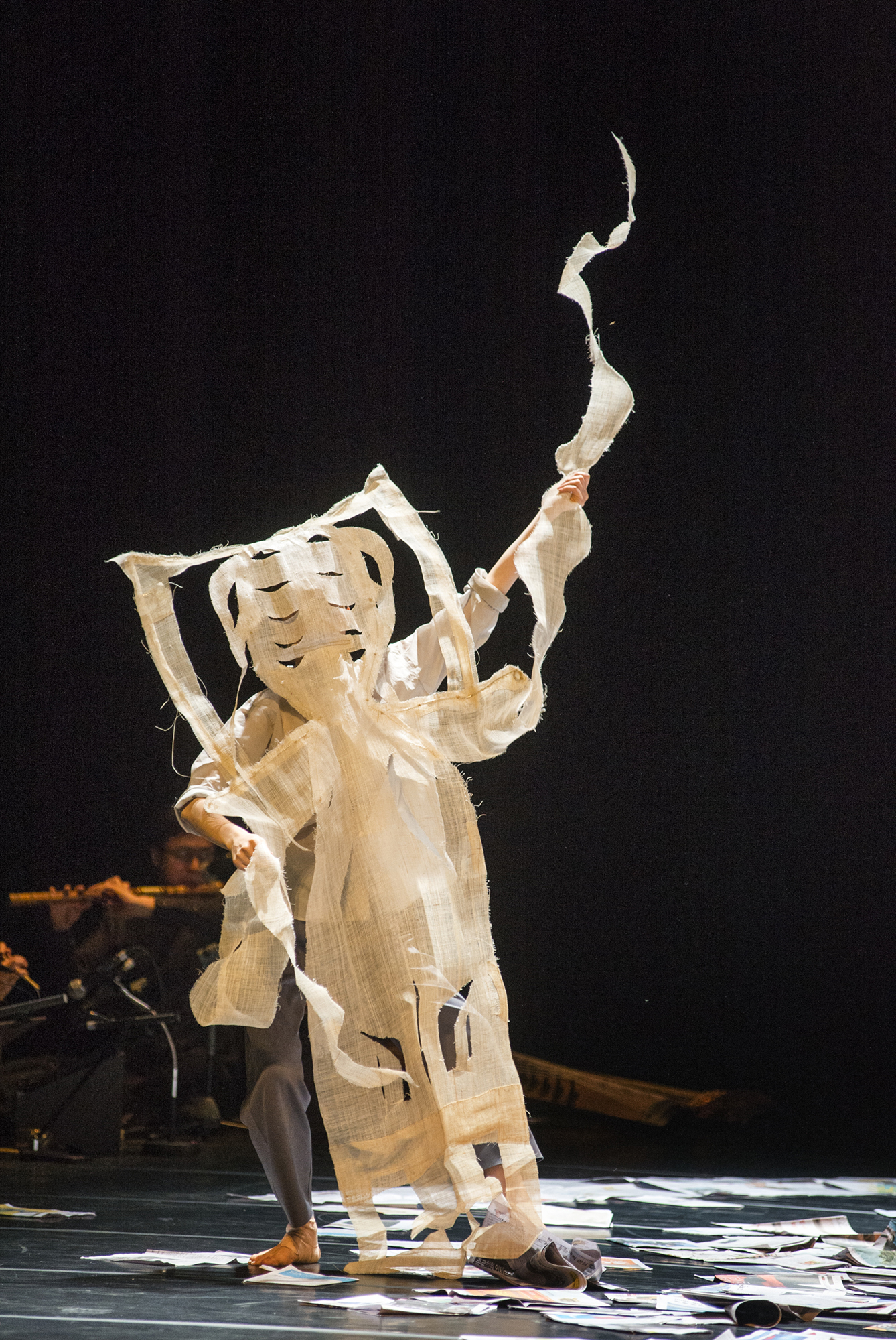
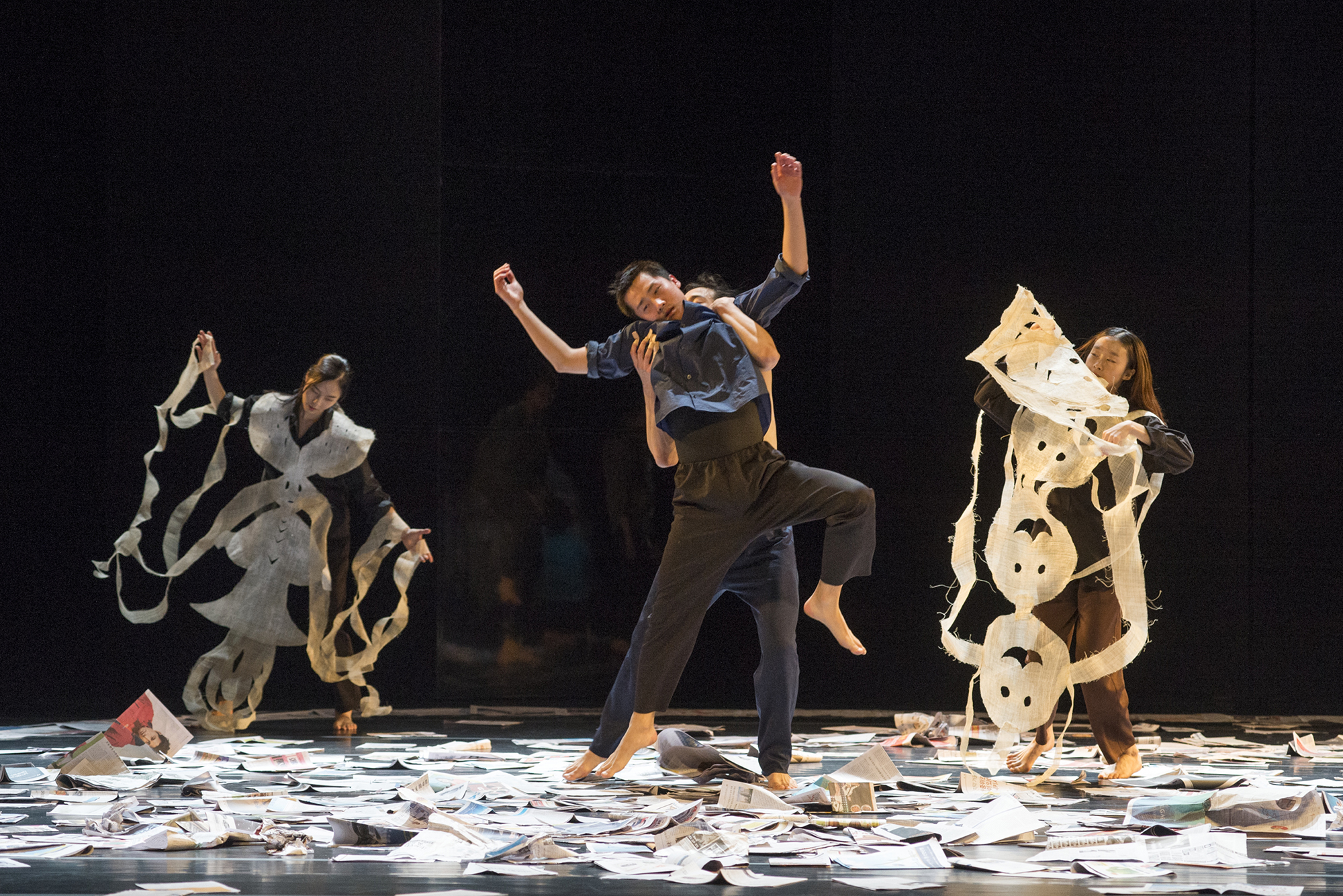
About the Work
Still dead, already alive.
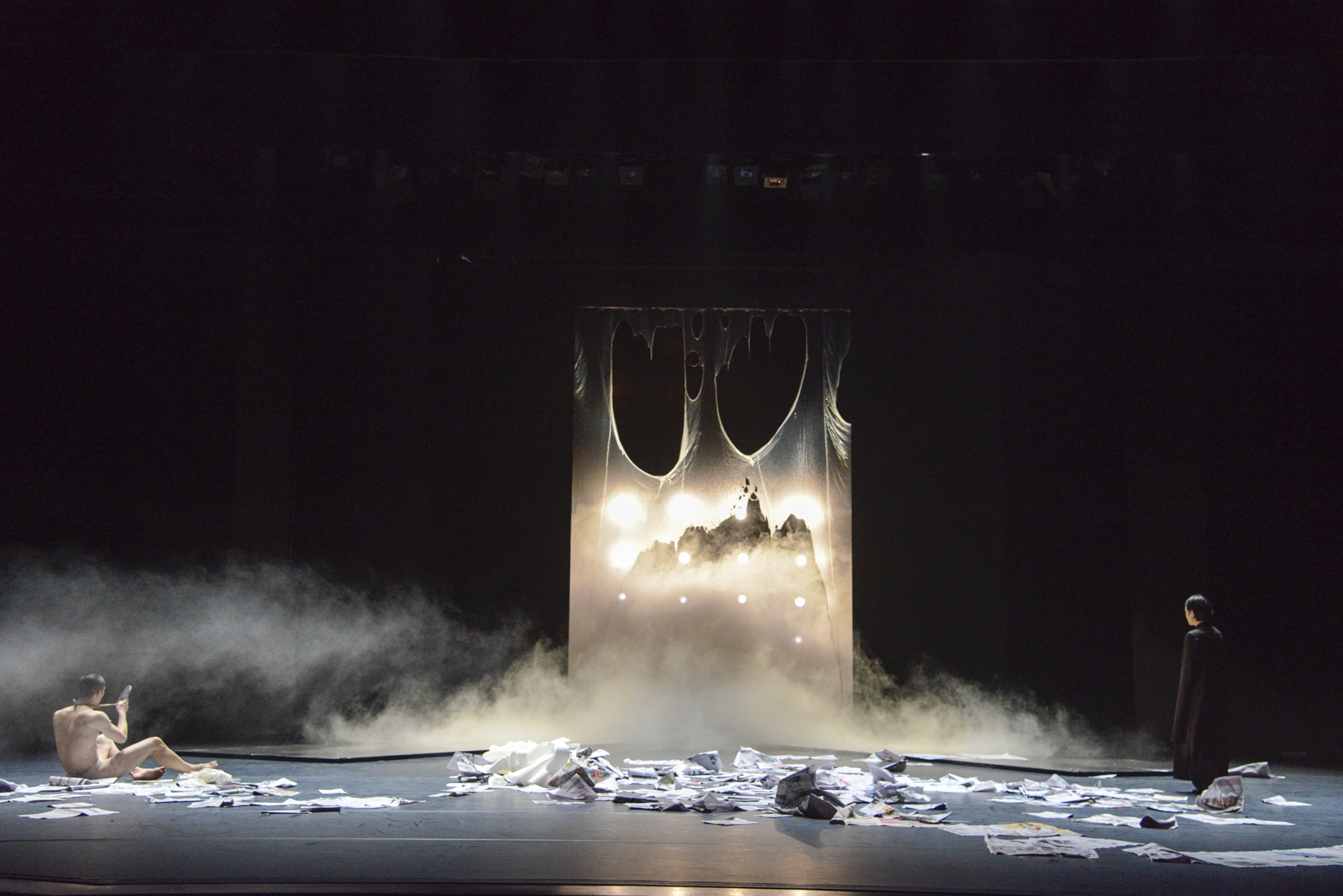
A bridge for ghosts laid by a shaman, a goblin's game—and a world of fantastic reality where we dance together.
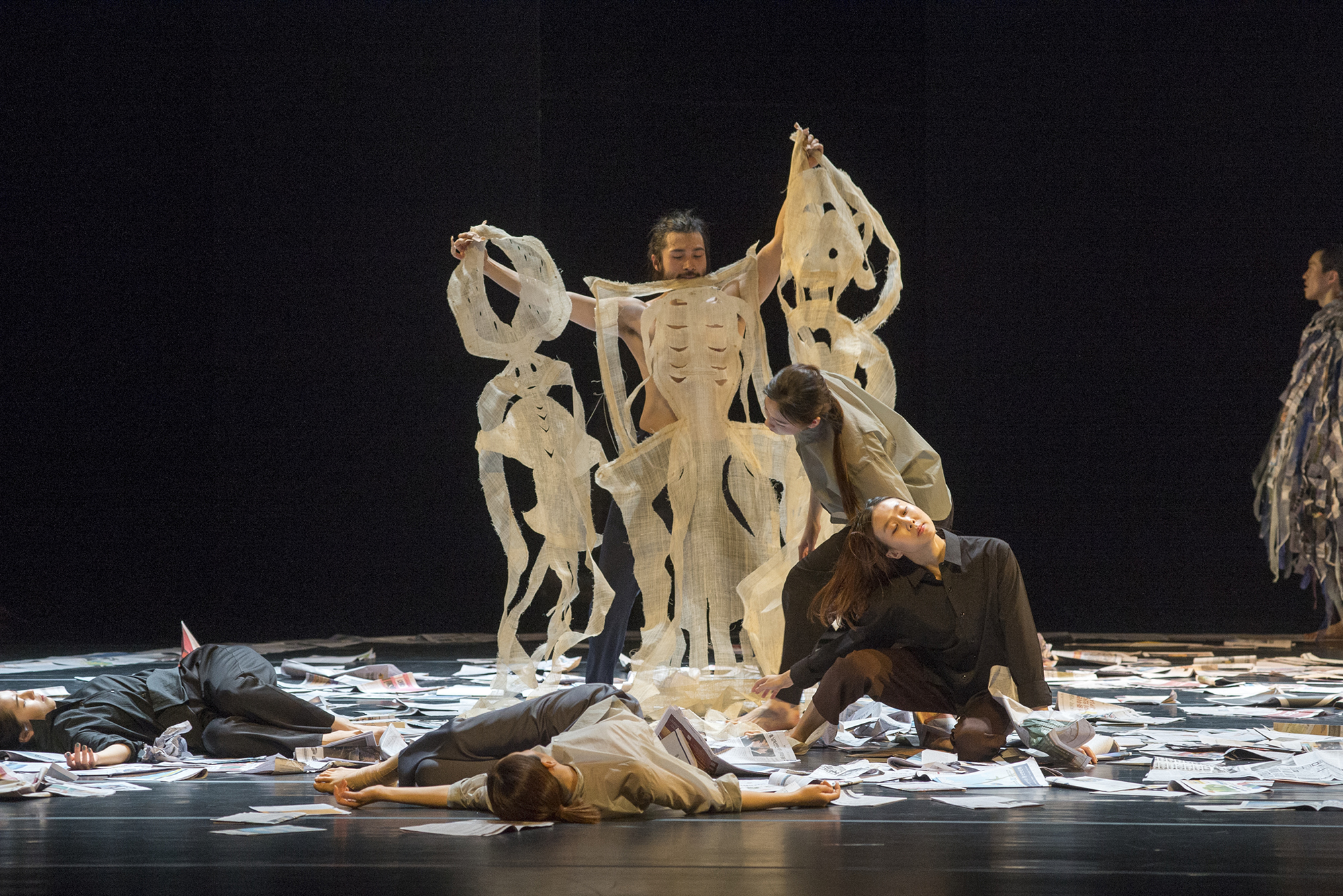
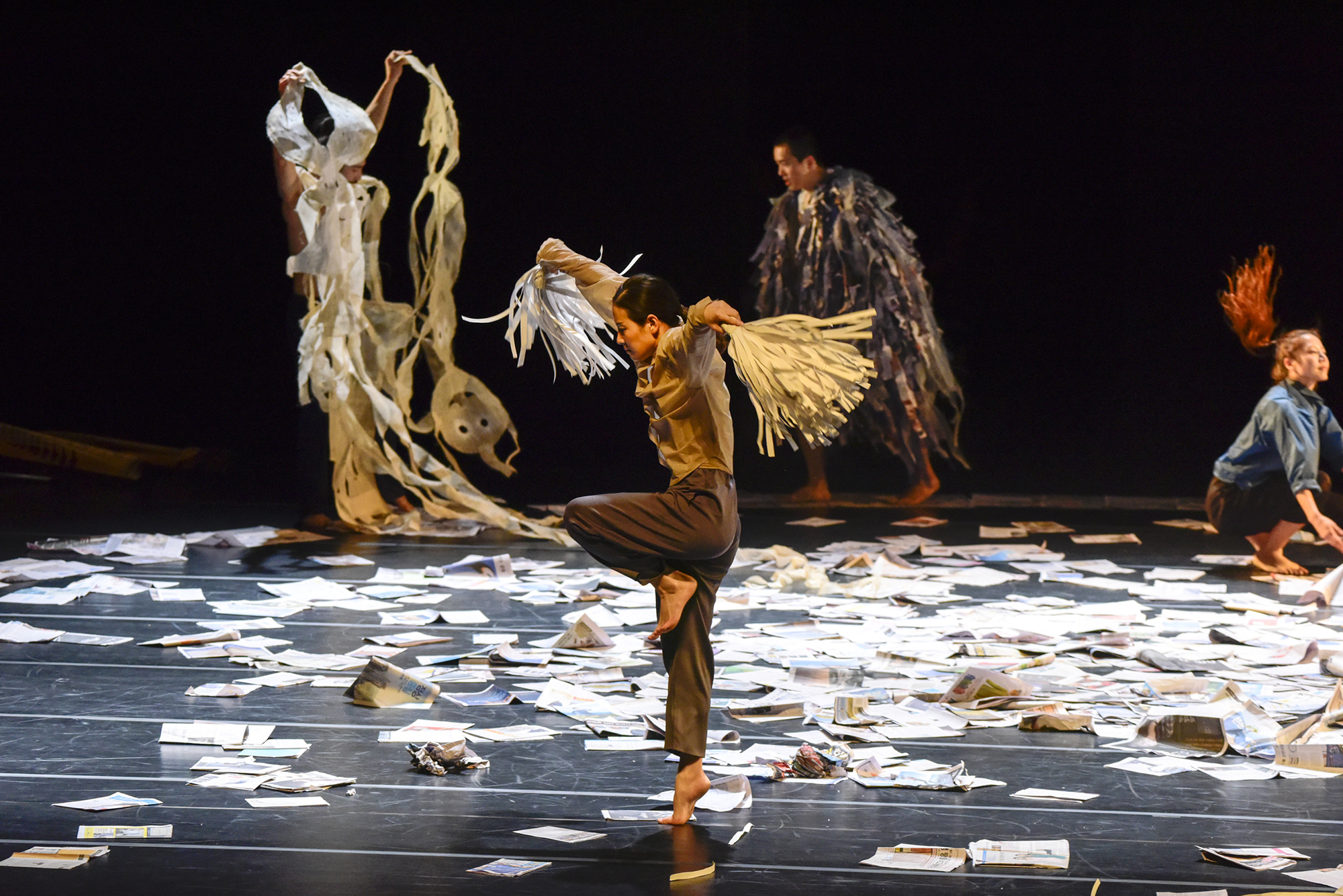
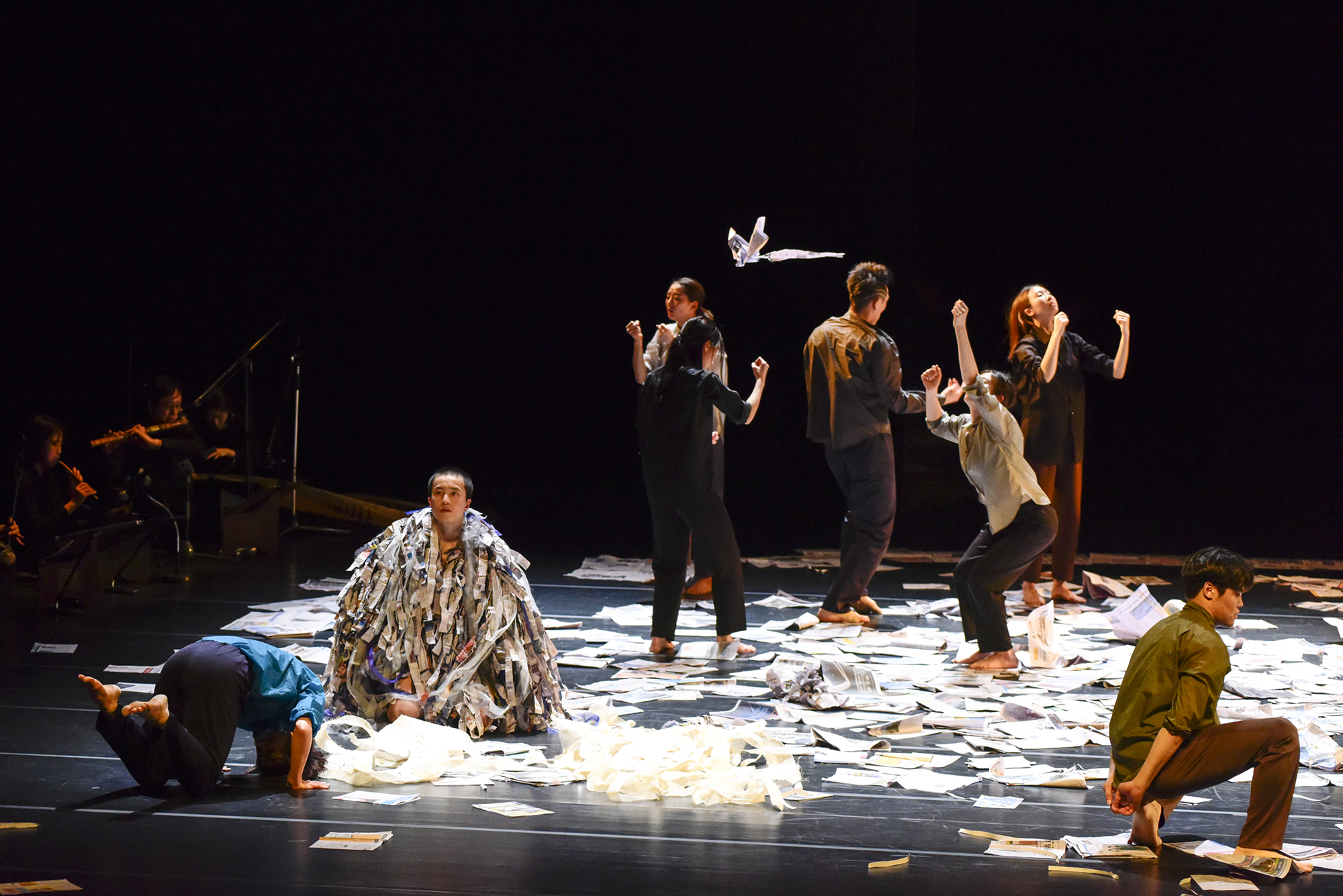
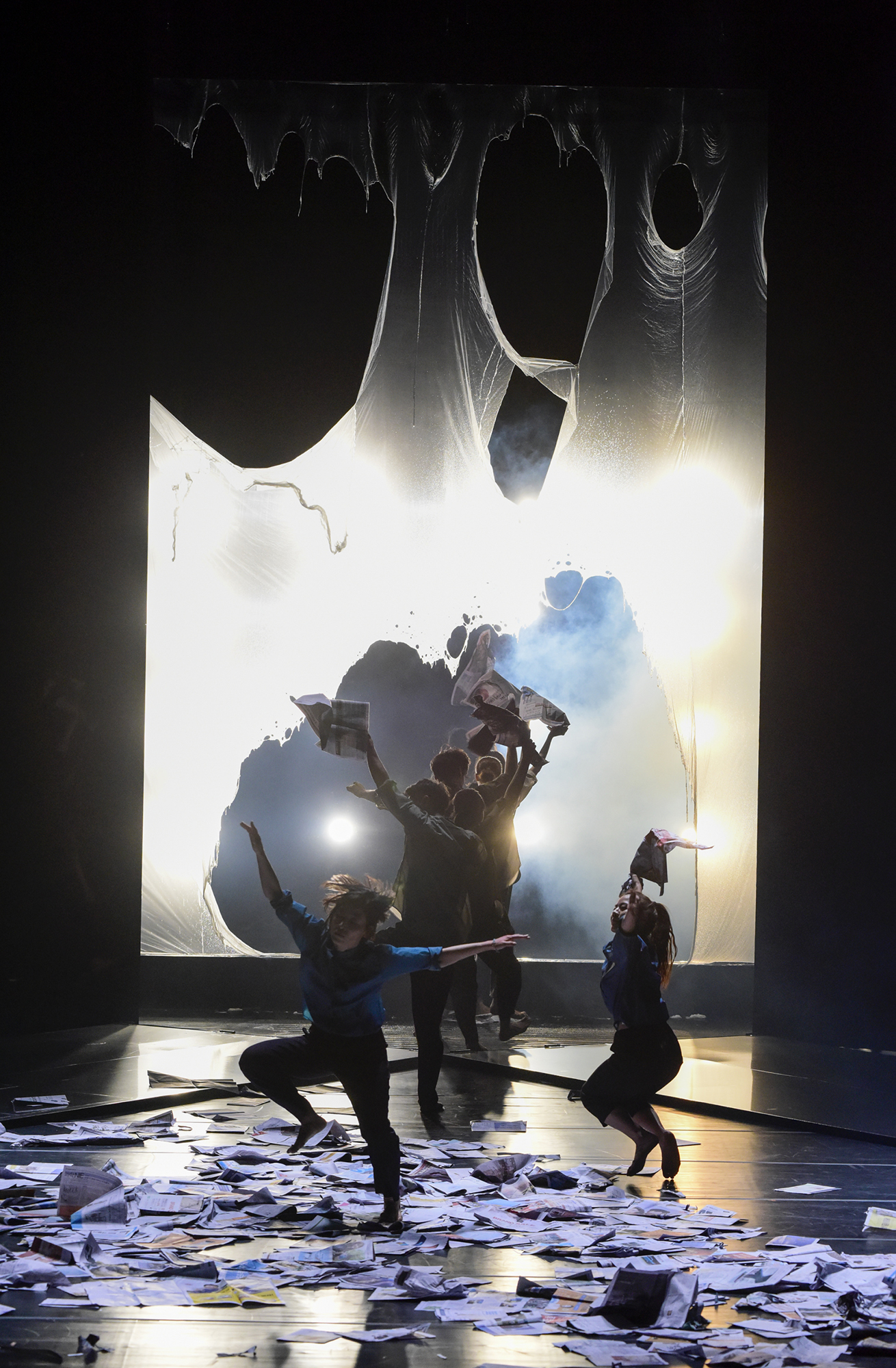
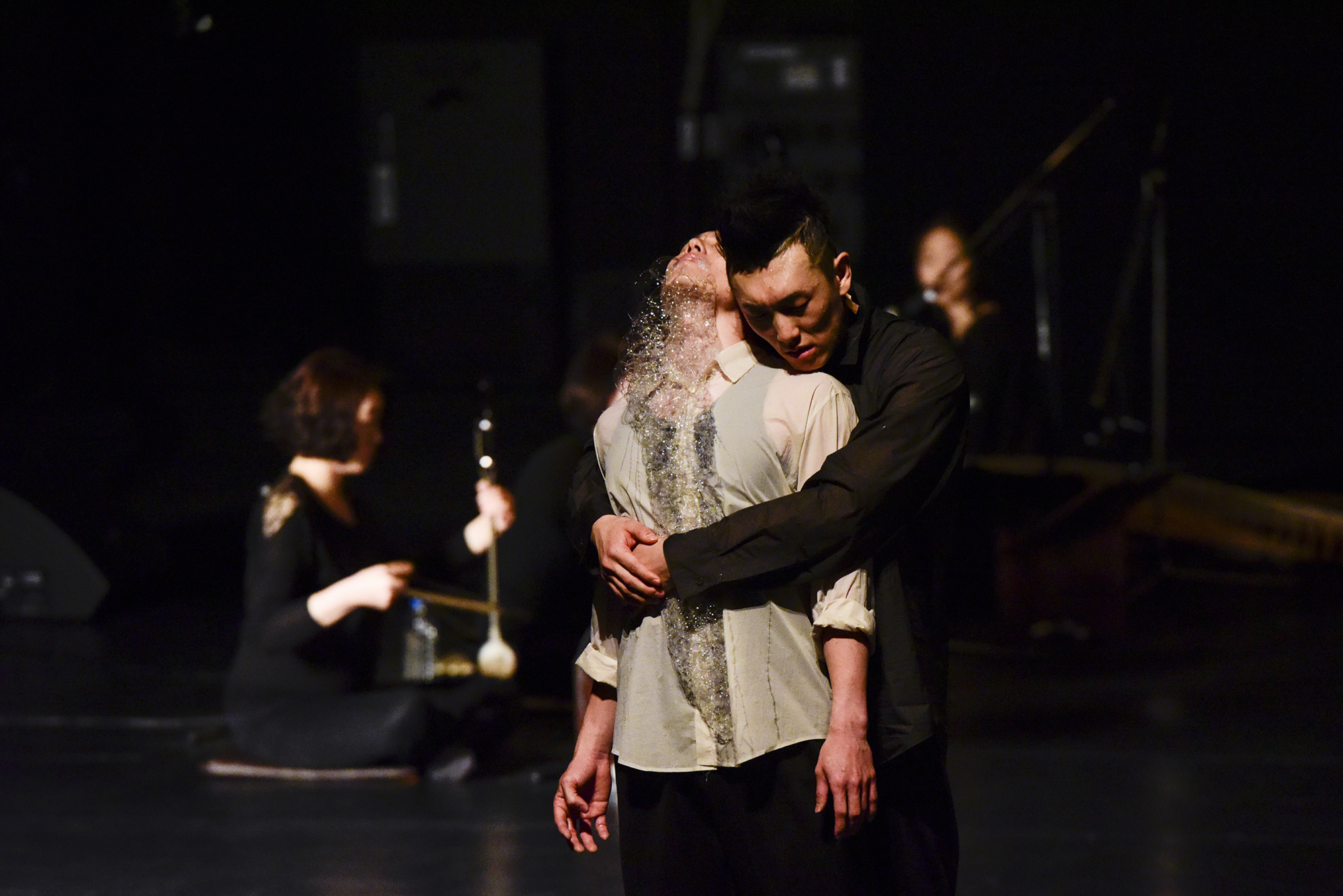
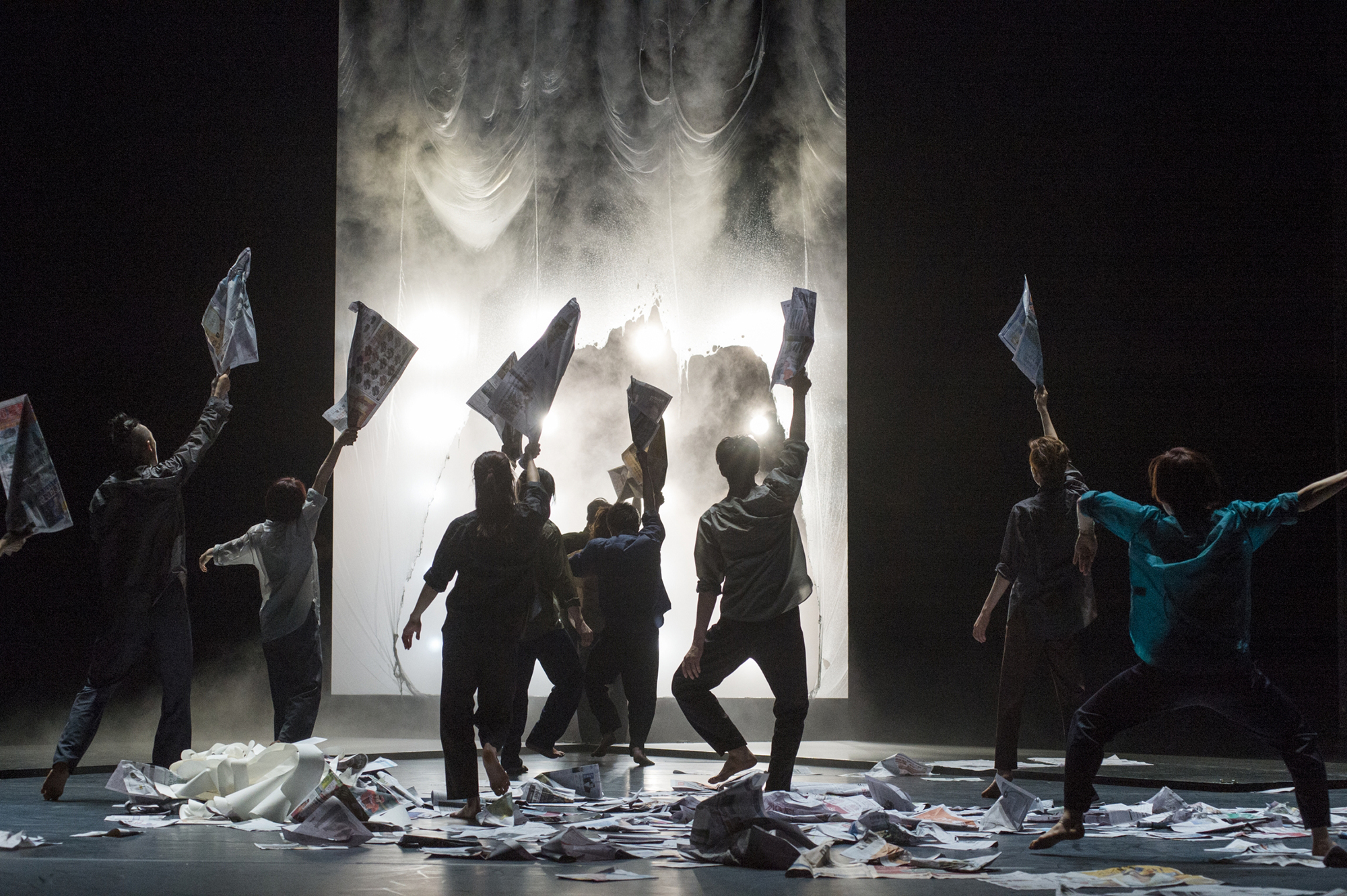
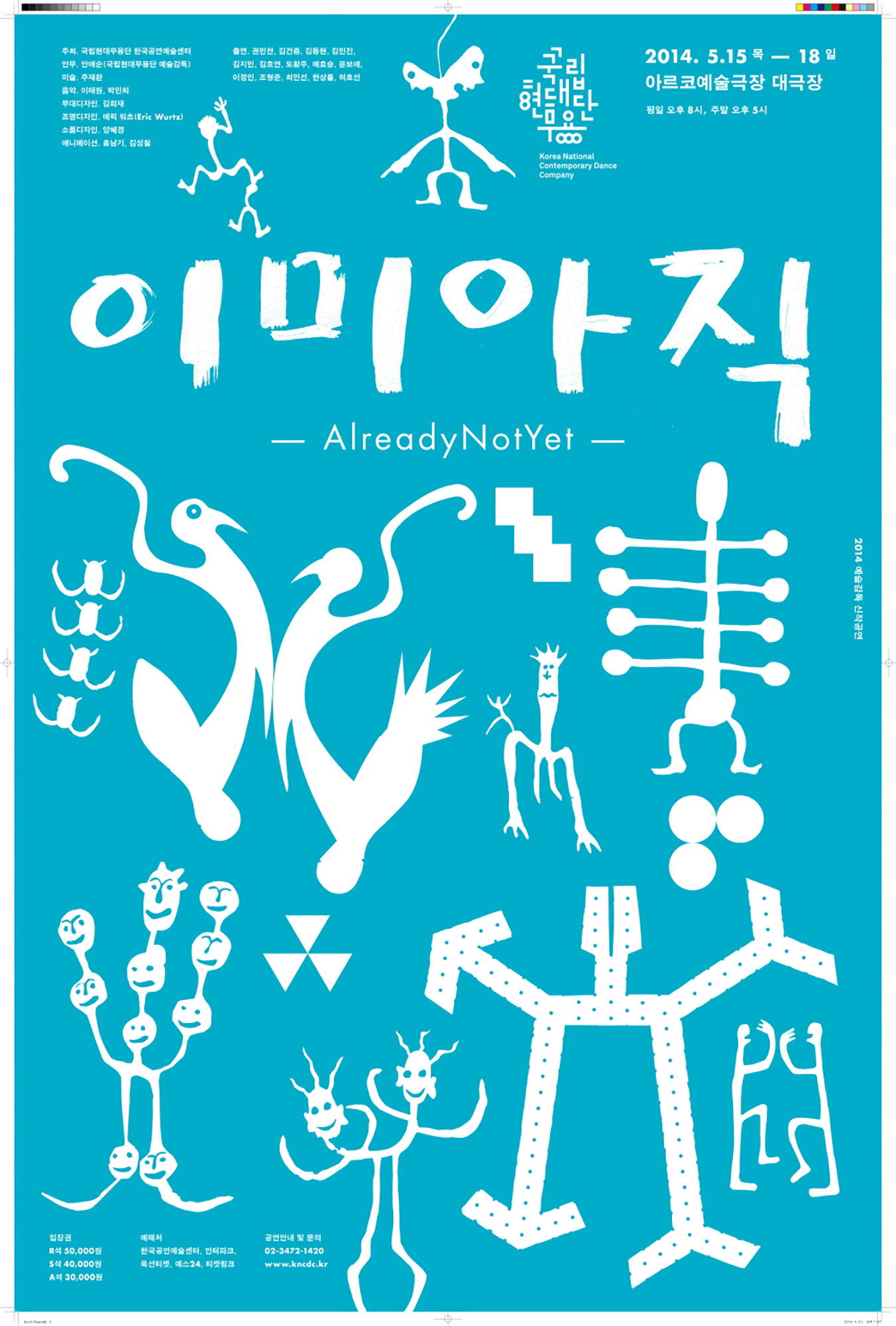
This work reinterprets shamanistic aesthetics through a contemporary lens, taking as its motif Kkokdu—the wooden figurines that appear in traditional Korean funeral culture as mediators between life and death. The piece focuses especially on the concept of the "boundary," a liminal condition uniquely articulated within Eastern worldviews.
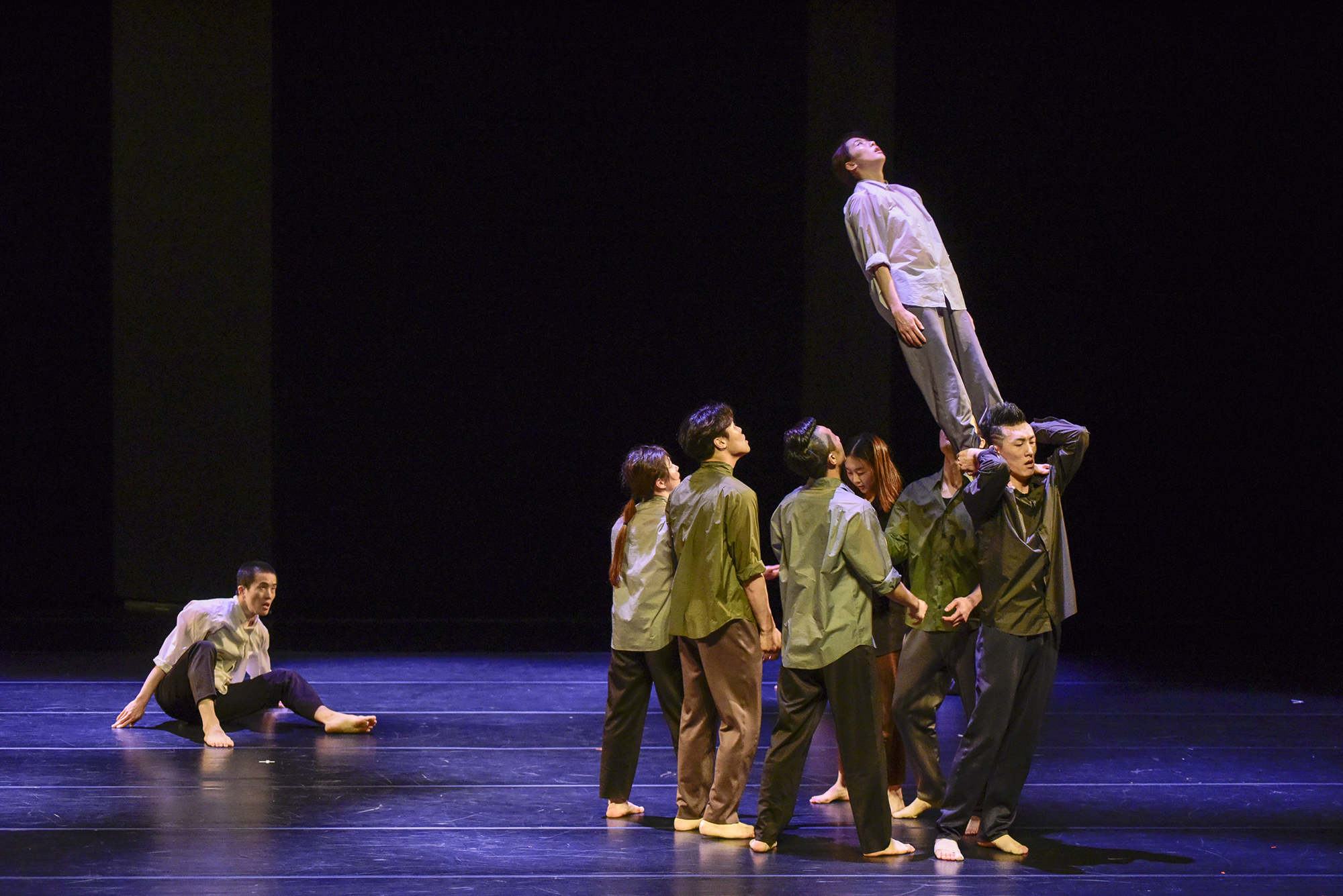
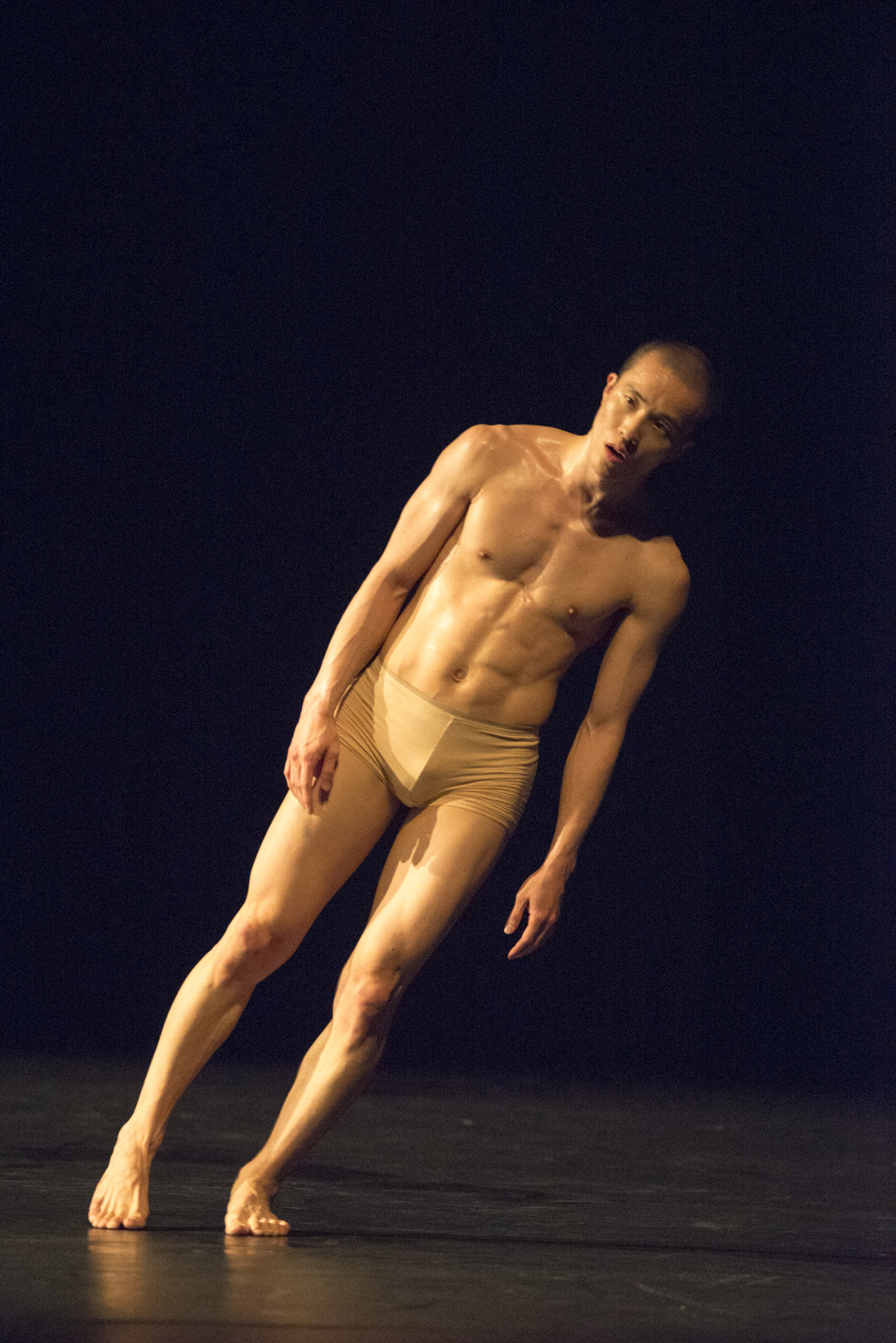
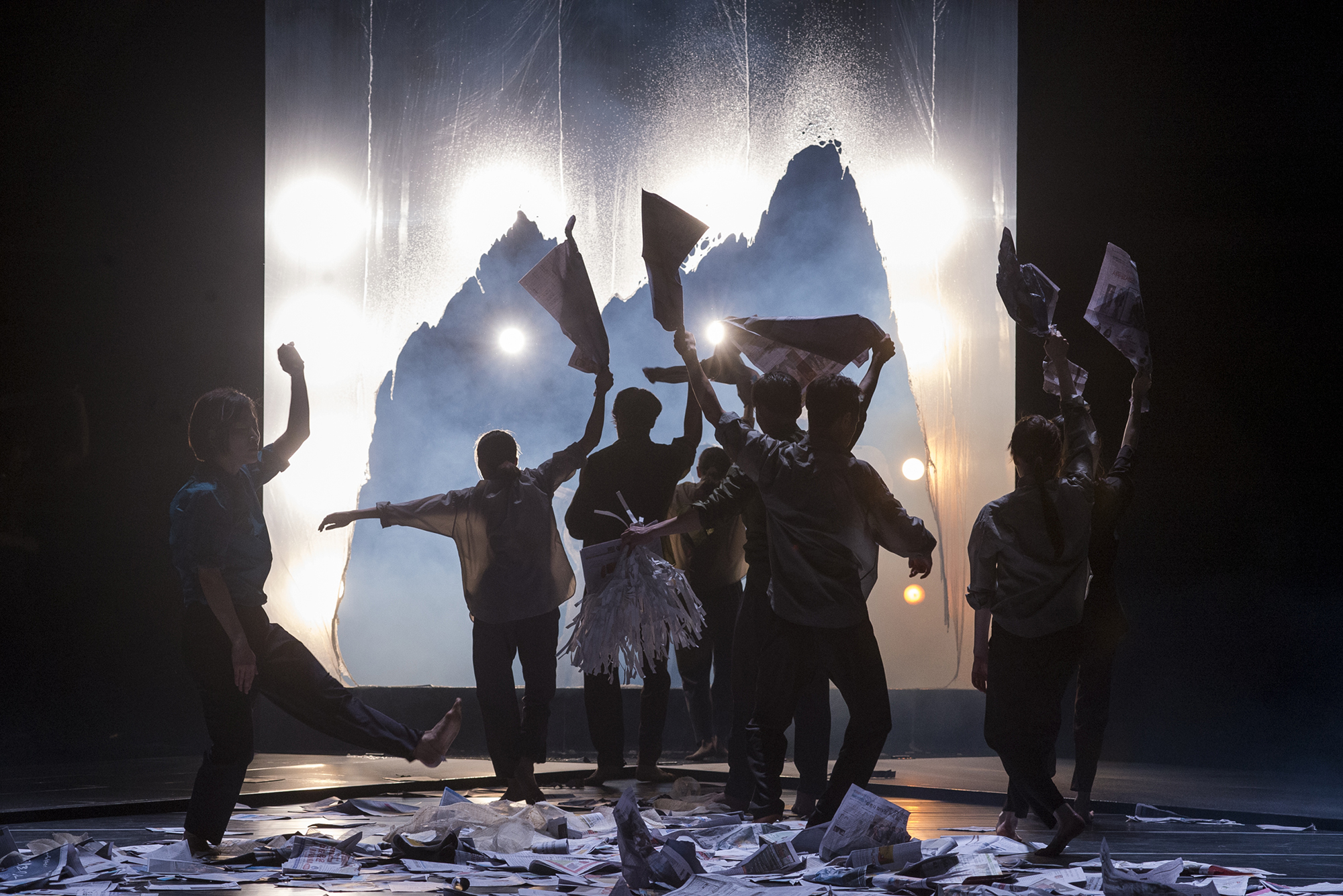
Unlike the Western worldview, which tends to distinguish life and death as oppositional states, Eastern philosophy understands them as one continuum: life contains death, and death gives birth to life. Within this transformative world—where the boundary between humans and supernatural beings collapses—movement becomes familiar yet strange, allegorical yet playful. Conventional distinctions dissolve, leading the work toward a realm of fantastic reality.
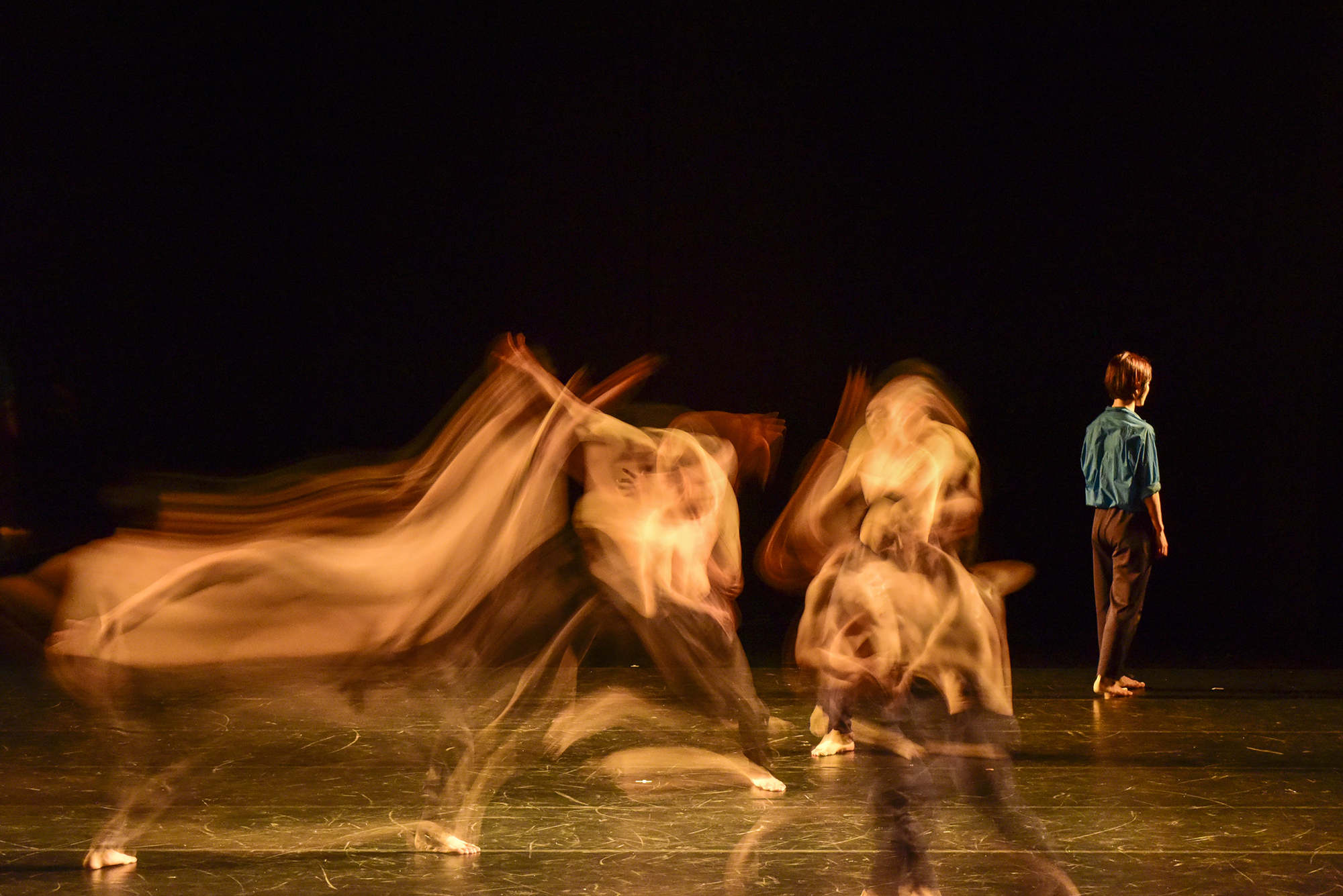
The time of Kkokdu is the earliest dawn, the threshold between night and day—a moment when intoxication and enchantment, pain and ecstasy coexist. It is also a time of darkness imbued with new energy. Death is not death alone, but another form of reality accompanied by hallucination—and perhaps everything surrounding us is the same. Kkokdu-reality is an experience of vertigo and chill, of eerie exhilaration.
Artistic Intention
Ahn Aesoon, Artistic Director of the National Contemporary Dance Company of Korea, began this project from her long-standing artistic inquiry into Korean identity. In 2014, she selected "History and Memory" as the company's central artistic theme.
As the first work within this trajectory, the production seeks to explore an Eastern worldview that can offer an alternative to the Western binary perception of the world. Drawing from various traditional art forms, the work uses Kkokdu—the wooden figures that decorate funeral biers—as its central motif.
Through collaboration with adjacent artistic genres such as animation, video media, and installation art, the production aims to open new horizons for Korean contemporary dance.
Review
"AlreadyNotYet can be read as an objection to a modern society that renders death barren and meaningless... The piece proposes as an alternative a traditional, deeply shamanistic view in which life and death are inseparable and death is treated with respect even within life. The ambiguous title is a contraction of the phrase: 'already dead, yet still alive.'"
— Kim Chae-hyun, Dance Webzine, June 2014