
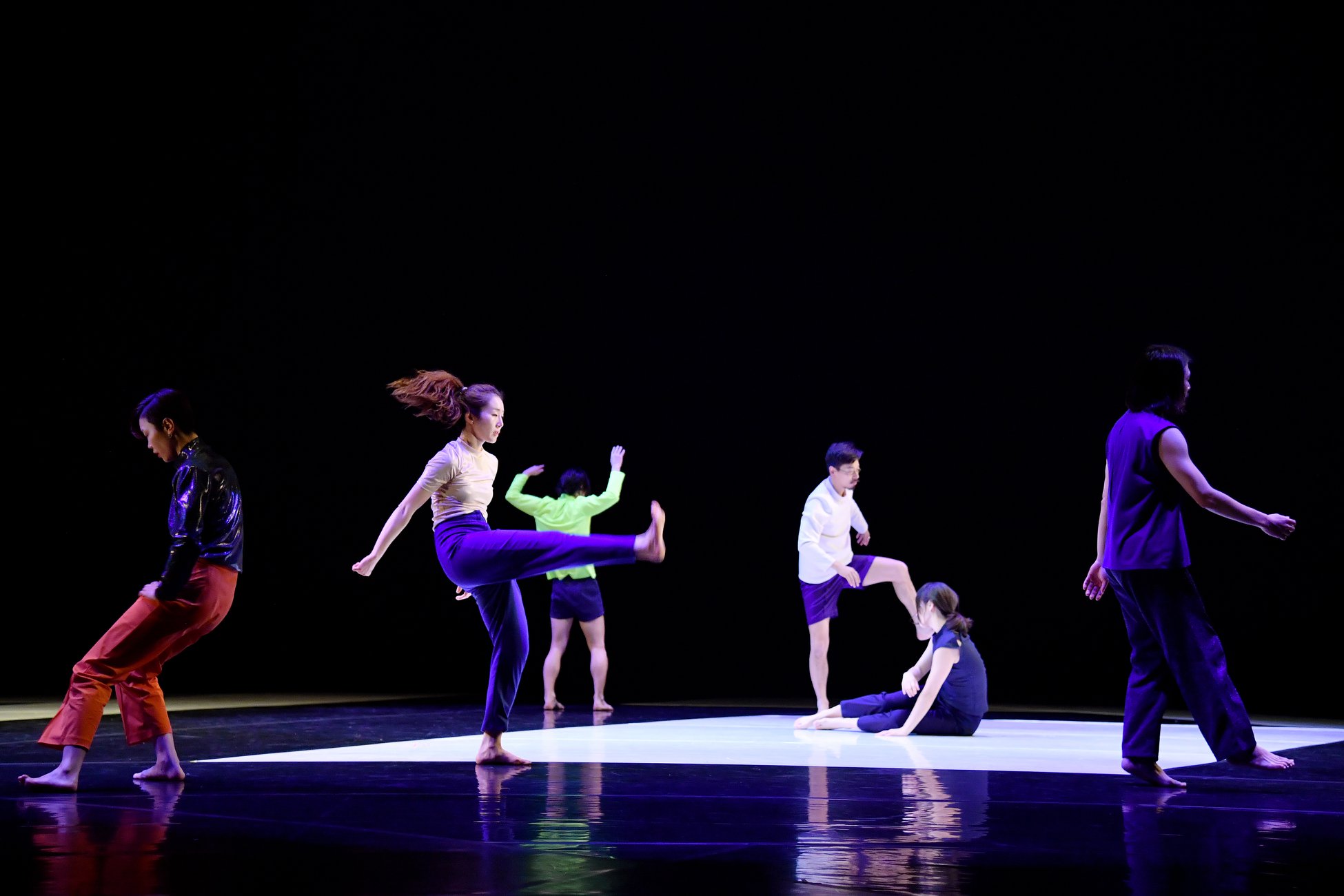
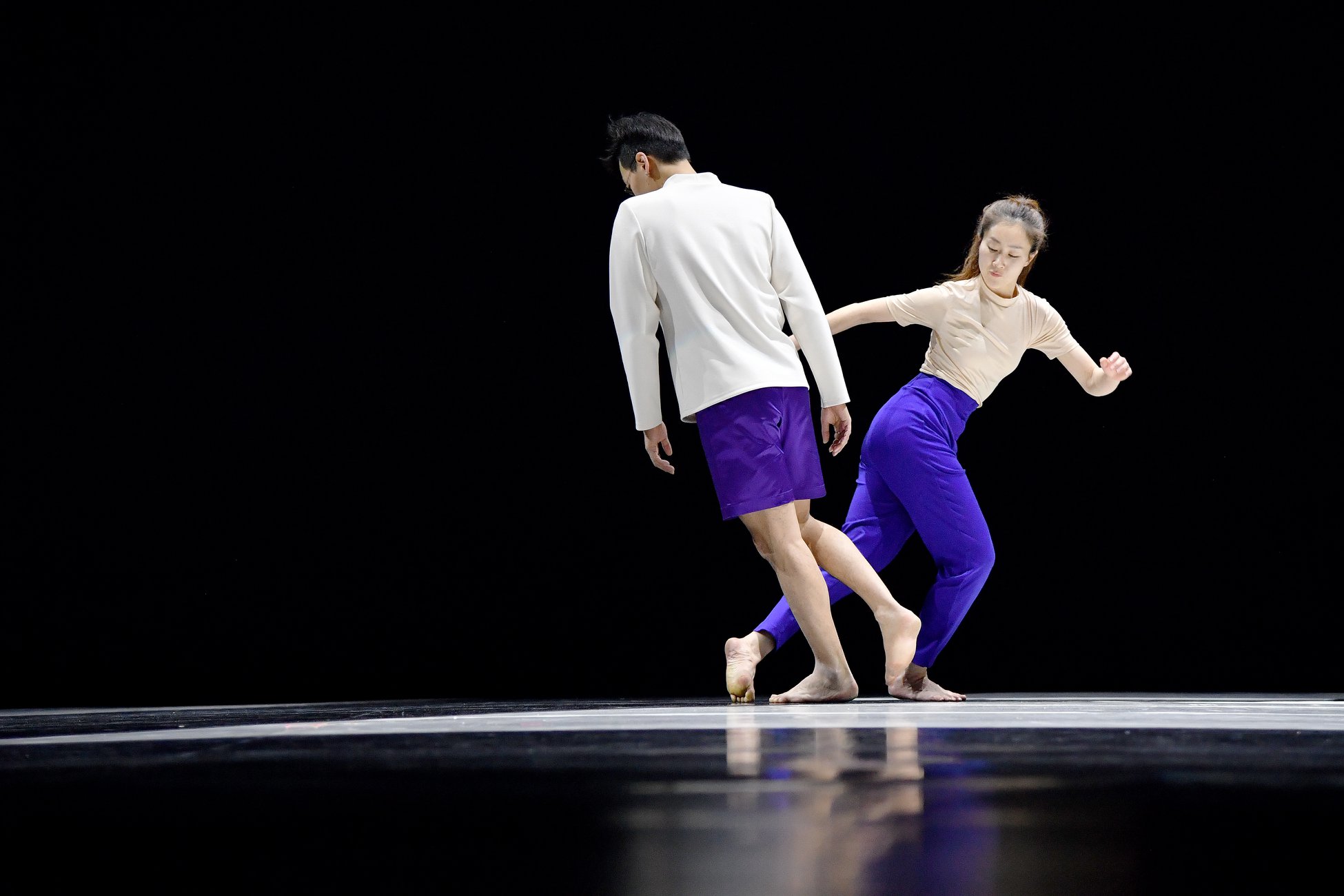
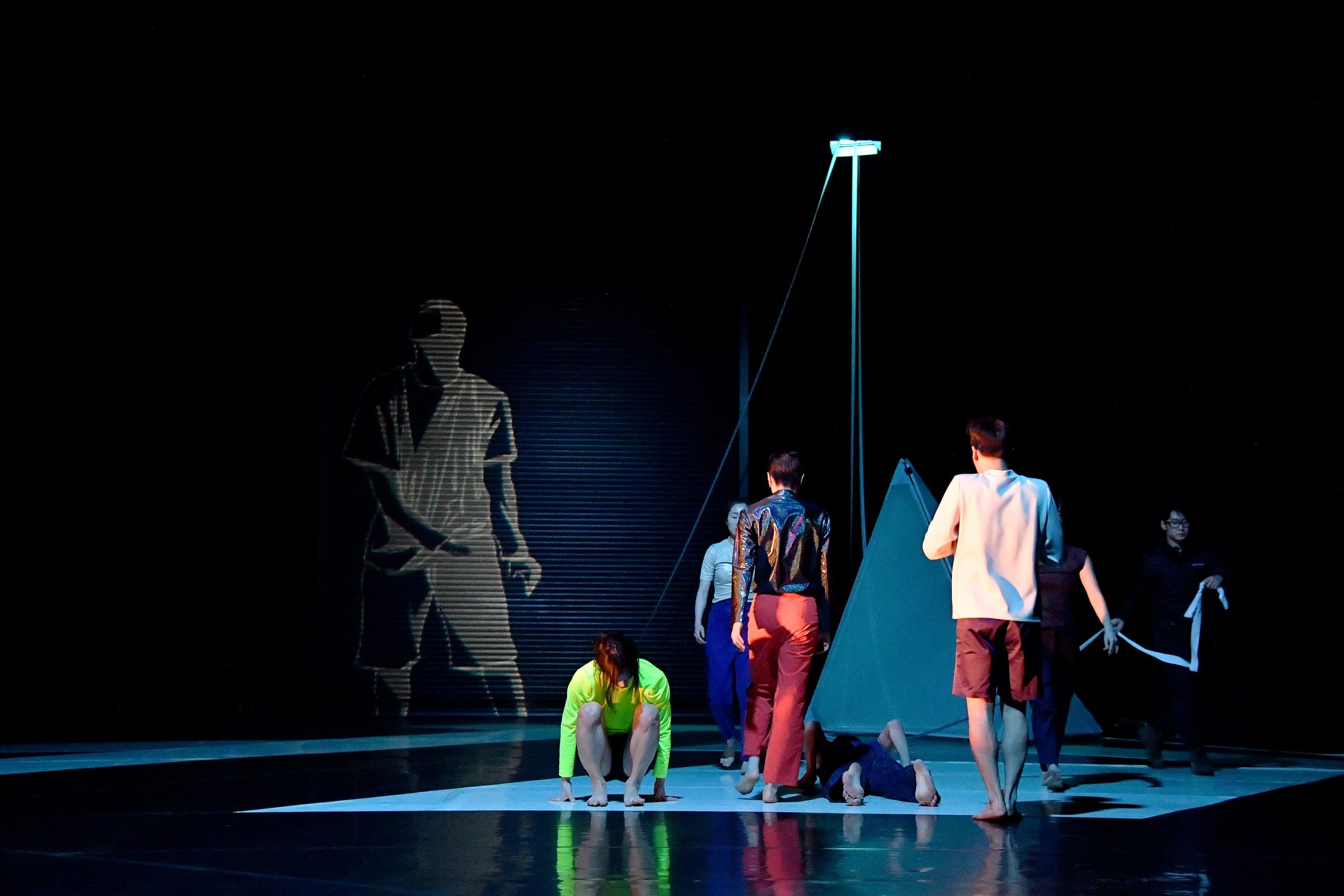

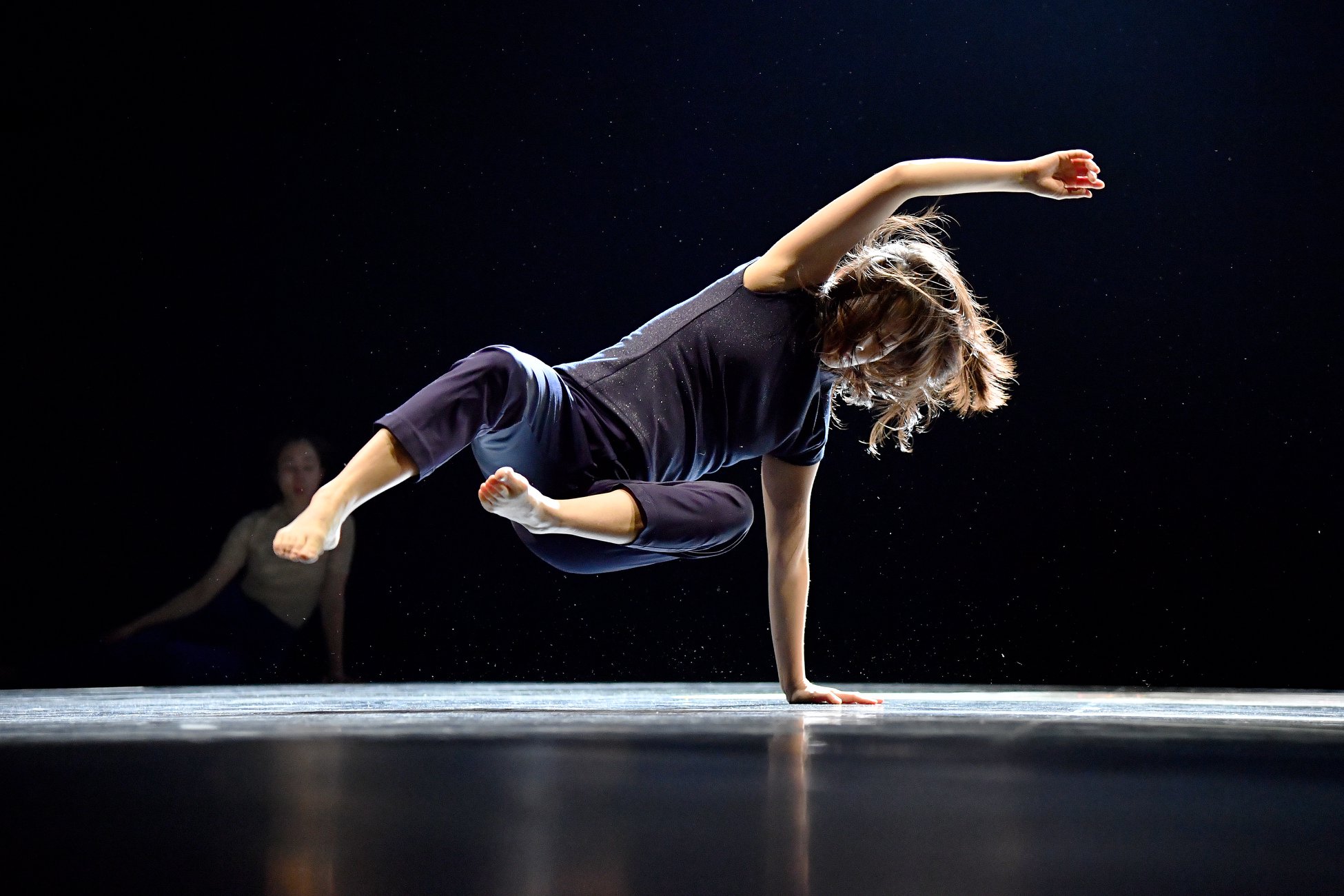
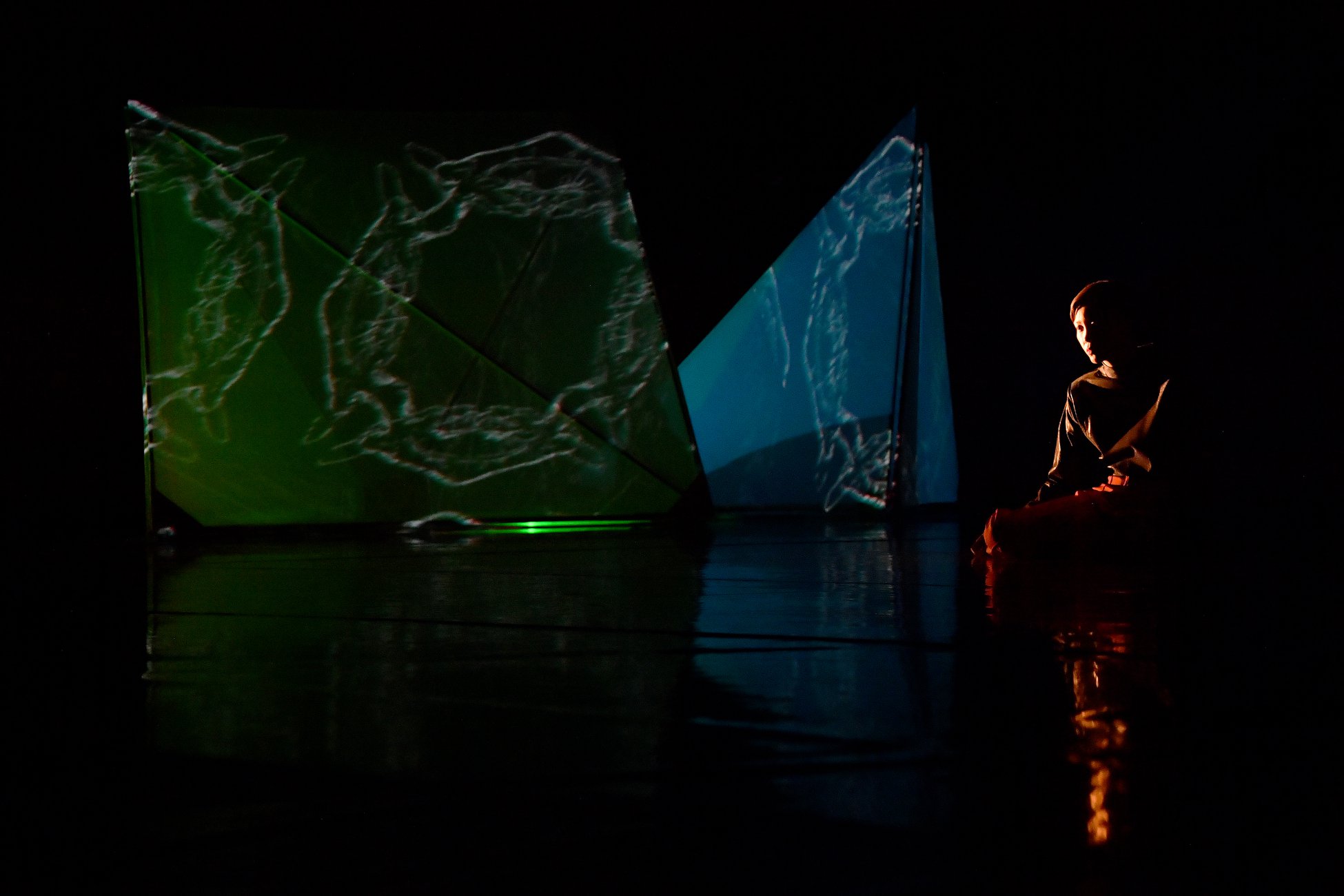
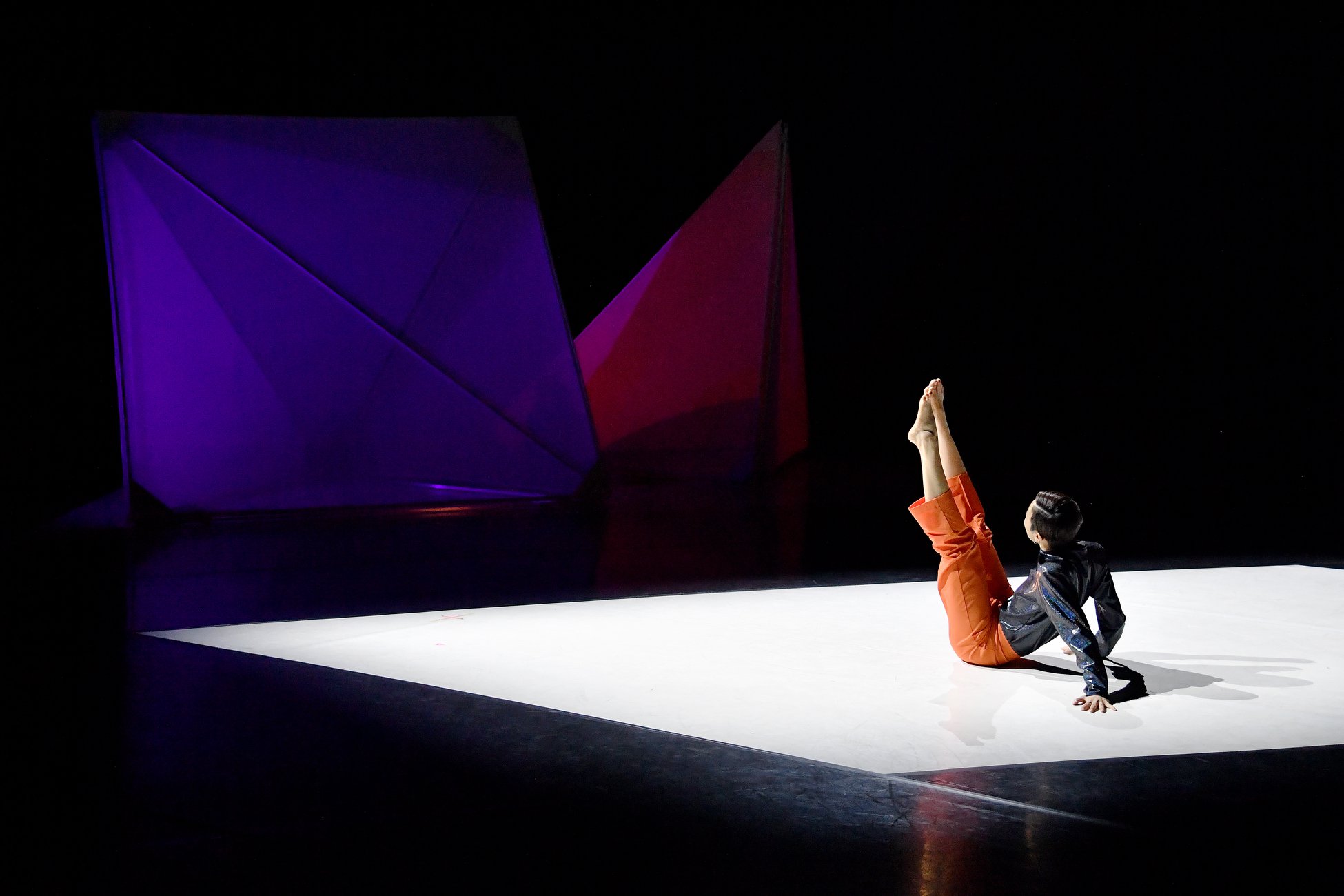
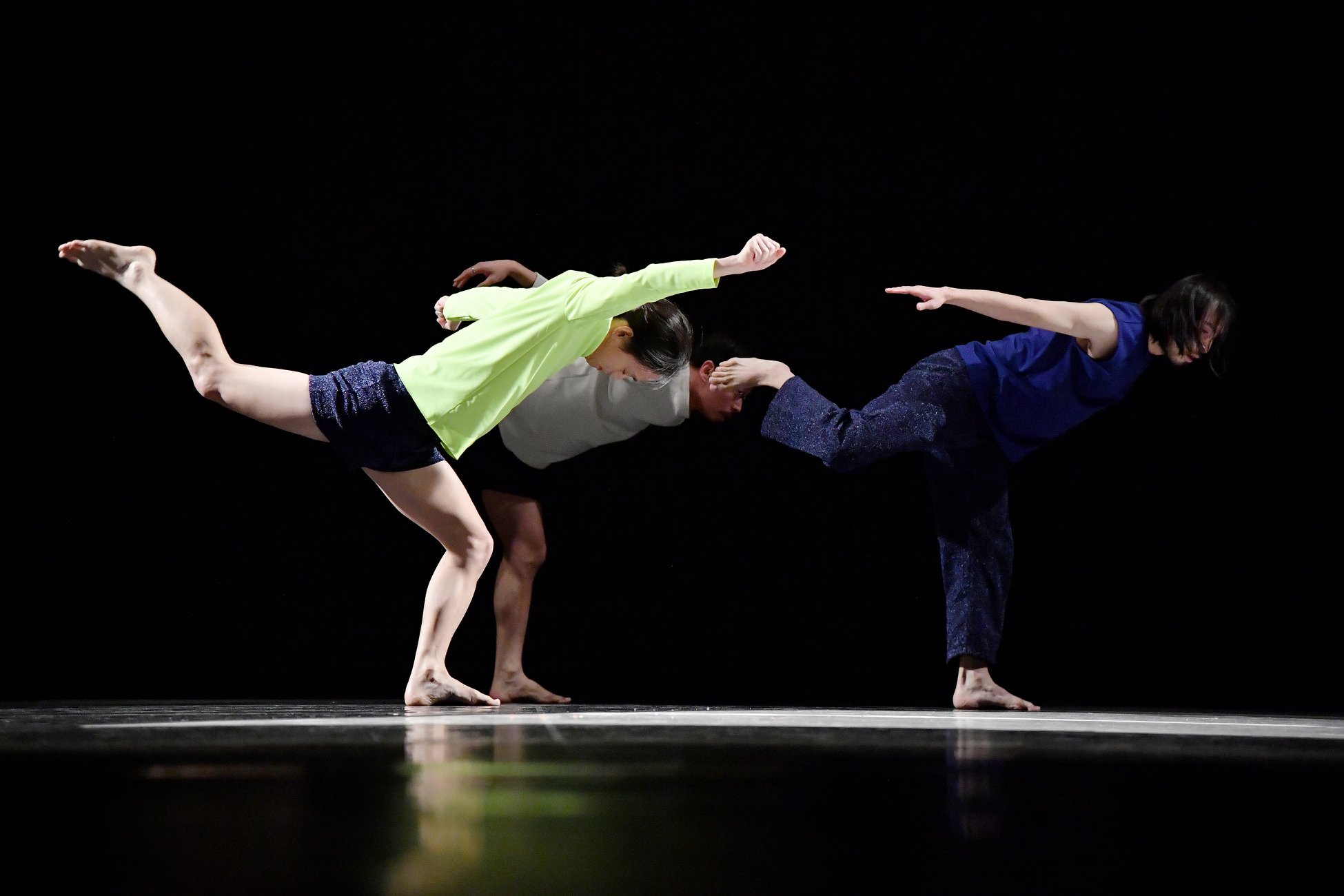


About the Work
"Emotions, memories, and movements that intersect in parallel across time and space."
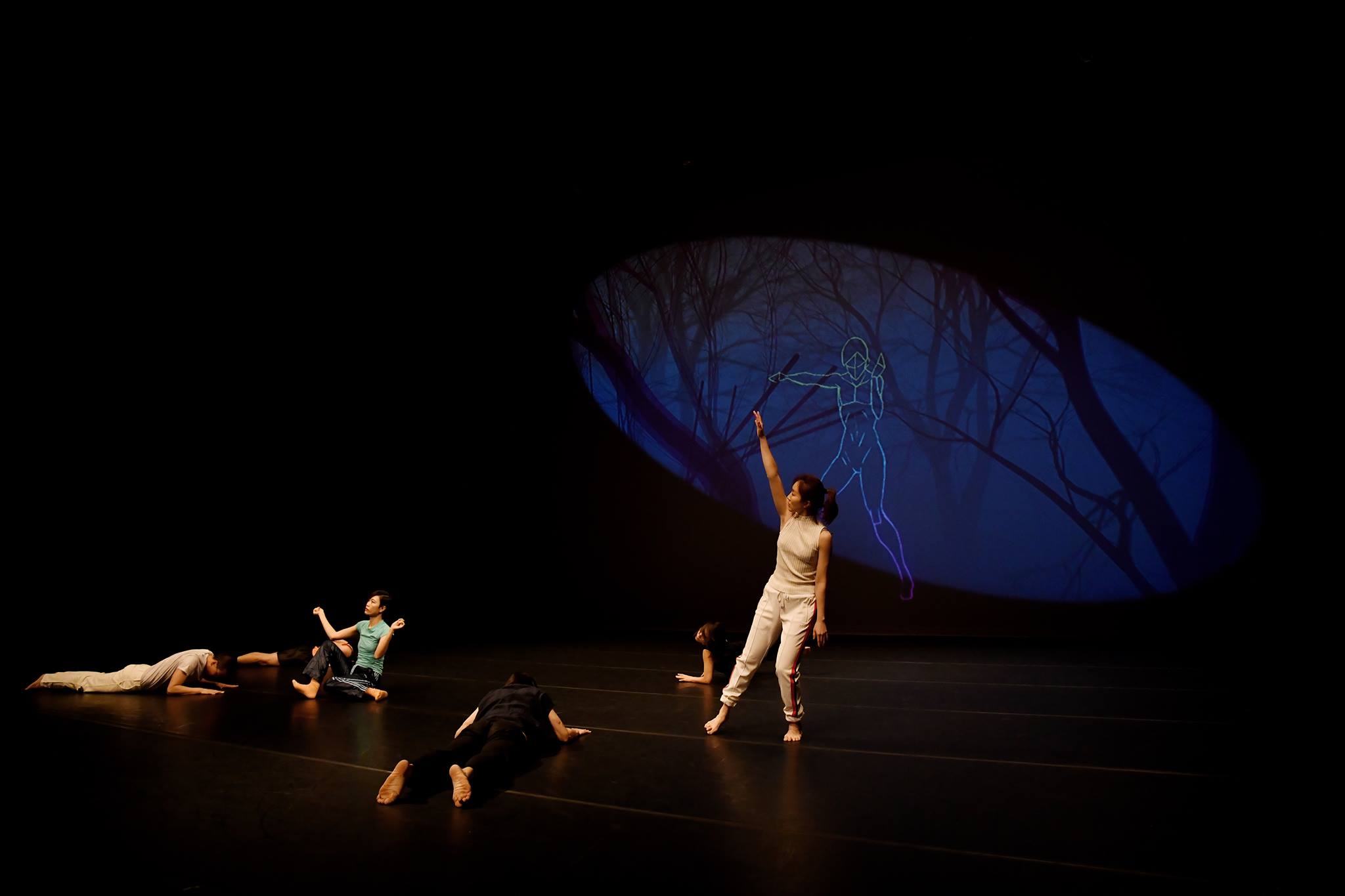
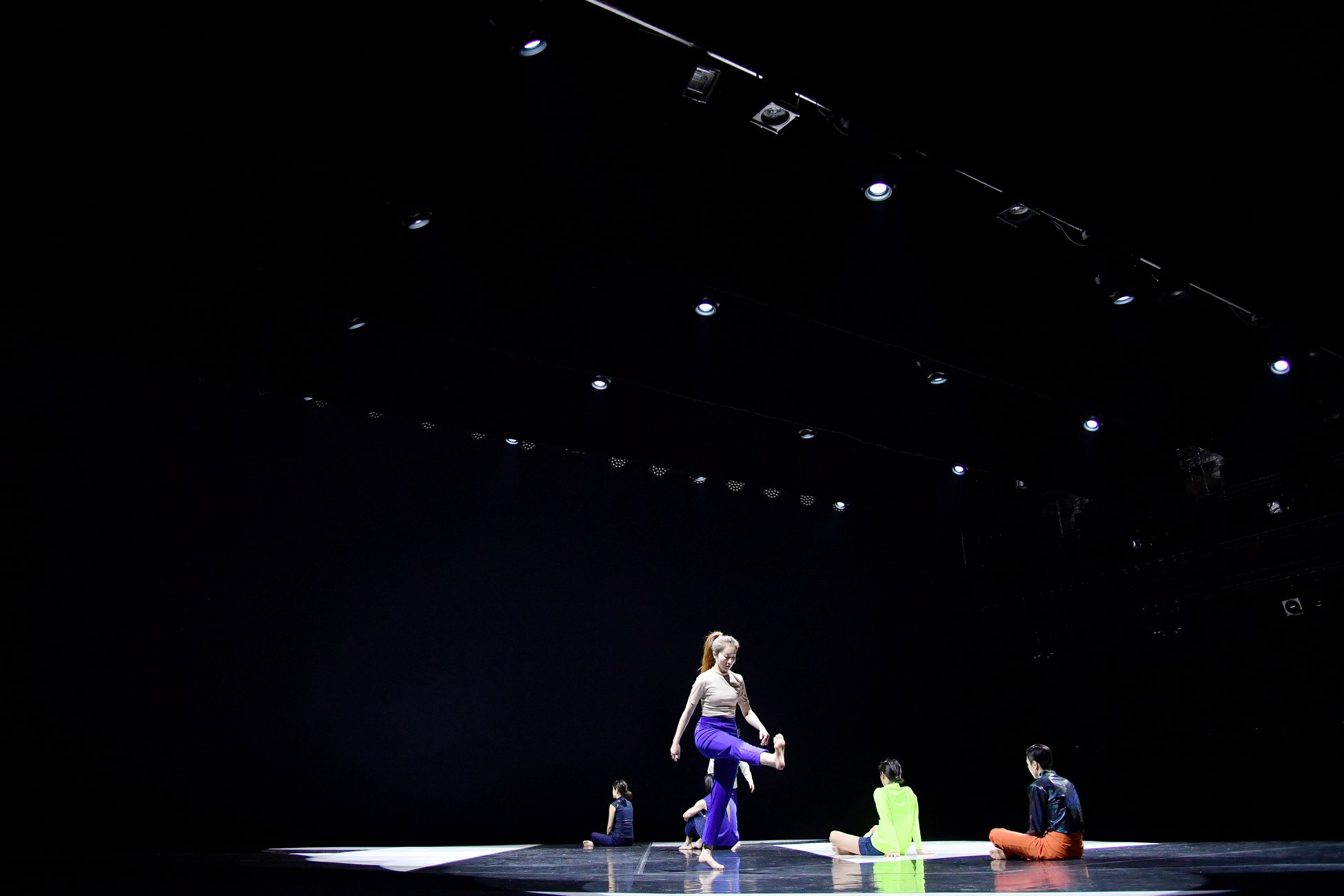
There exists a body and movement that point to nothing externally—a pure state of corporeality and motion. The work begins by tracing the external events that trigger movement, as well as the emotions and sensations they evoke.
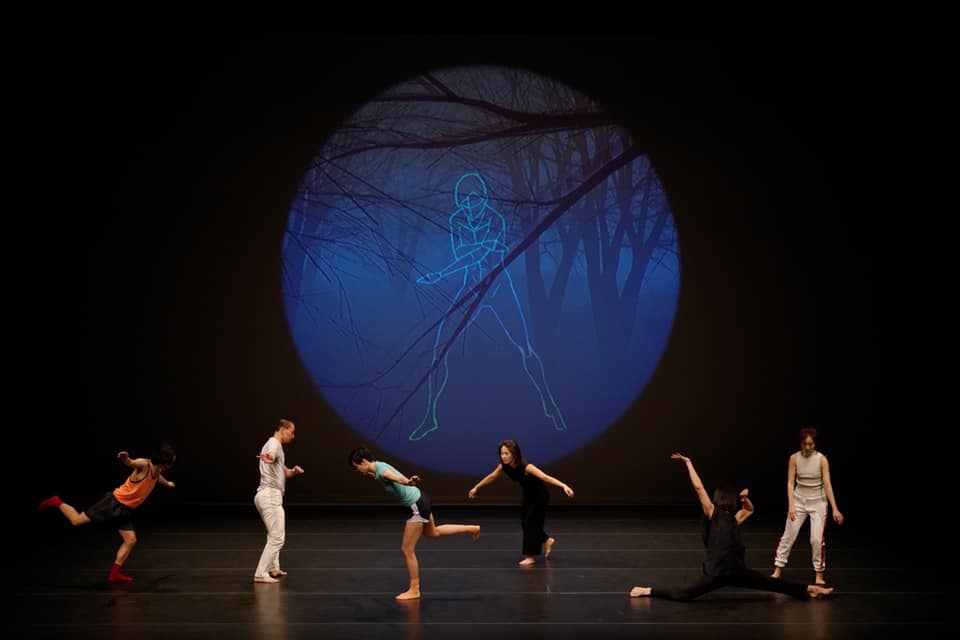
Throughout this process, the body and movement never remain fixed in a single state; they continually transform. From primordial movement to the emotions that summon it, and further into imagined dimensions, these elements do not exist separately but intersect and run in parallel.
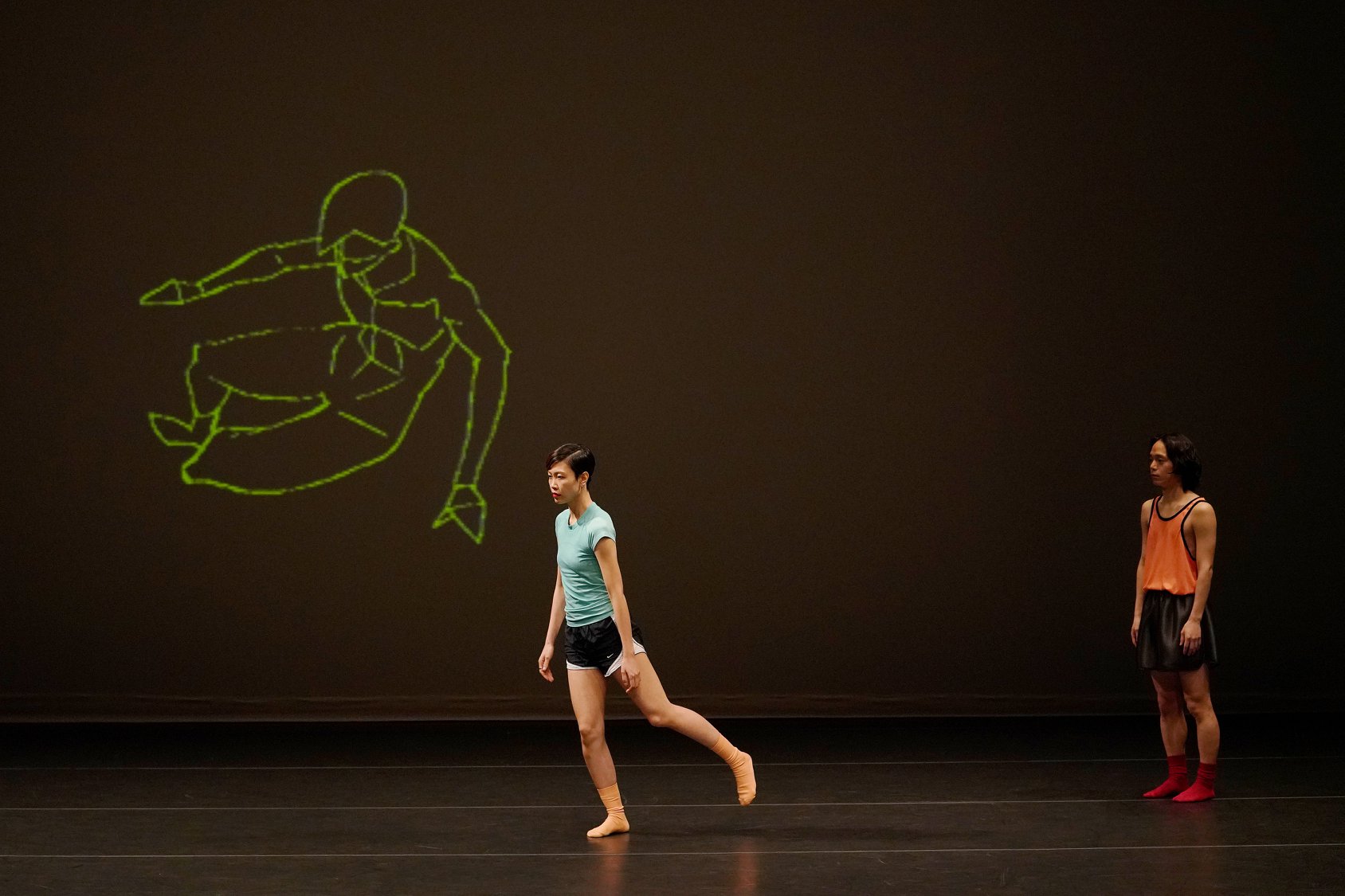
The piece is composed and structured through cinematic editing techniques—continuity editing, classical editing, and thematic editing—translating filmic montage into choreographic form.
Review
"Choreography is not dance after documentation, but an act that constructs a space where the parallax between dance before documentation and dance composed simultaneously with documentation becomes present—a space that becomes the audience's perception itself."
— Kim Min-kwan, Artscene