
Damiano O. Bigi
Alessandra Paoletti
Kim Jihyung
Park Sungyun
Lee Hyunsuk
Lim Yoojung
Ahn Aesoon Company — Korea
Korea Foundation for International Cultural Exchange (KOFICE)
2025 Korea A-Round Culture
Italian Ministry of Culture (MiC)
Secret Florence
Florence Dance Festival
City of Florence
CROSS Festival
Fondazione Egri Danza CRID
City of Verbania
Associazione Tersicorea – Cortoindanza
City of Cagliari
Korean Cultural Center in Italy
Baekam Tourism Co., Ltd.
President Hotel
Elisa Godani — Italy
Hwang Heejin
Kim Min
Kim Sejong
Kim Hanbit
Kim Hui
Jang Juna
Synopsis
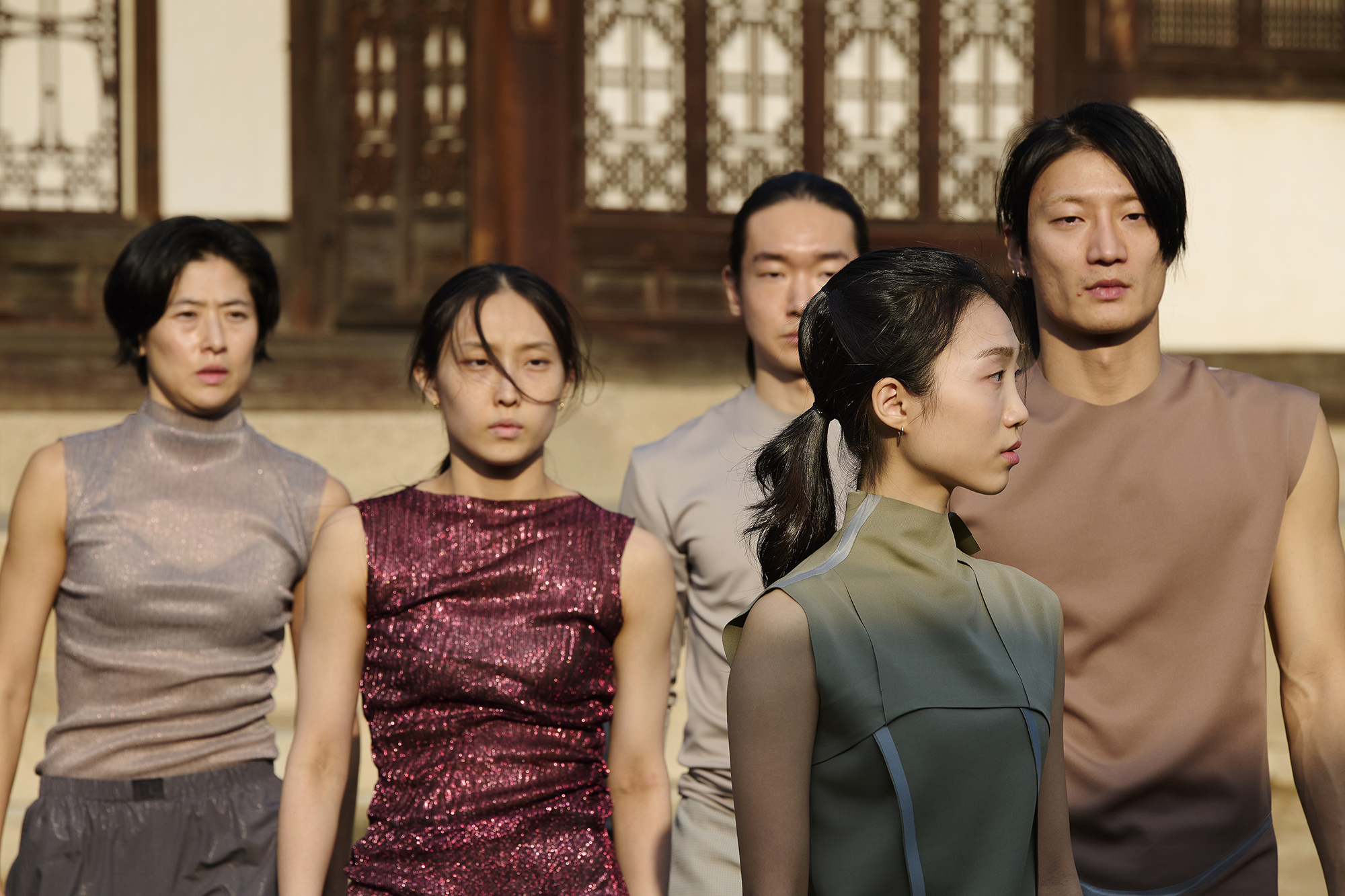
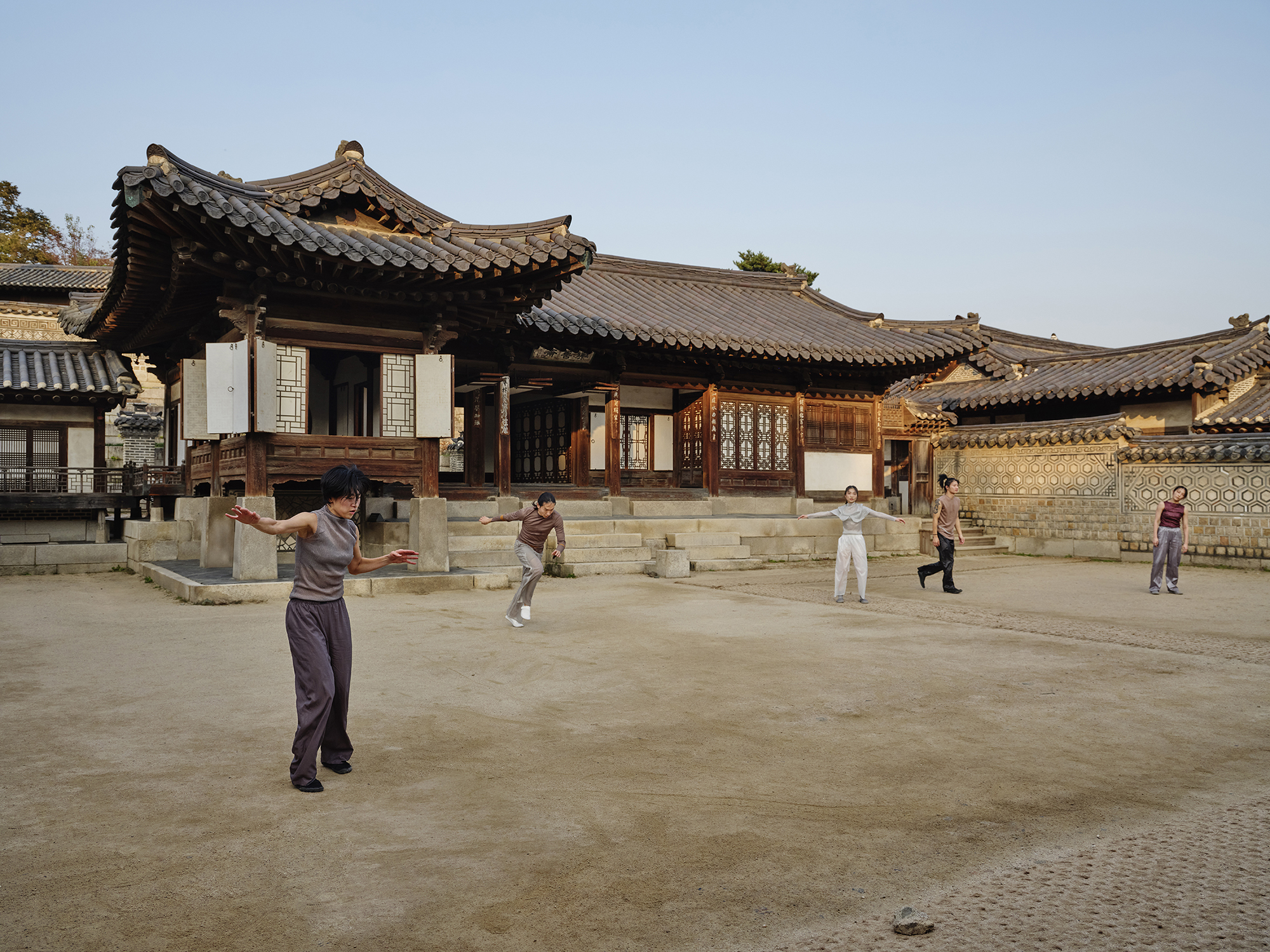
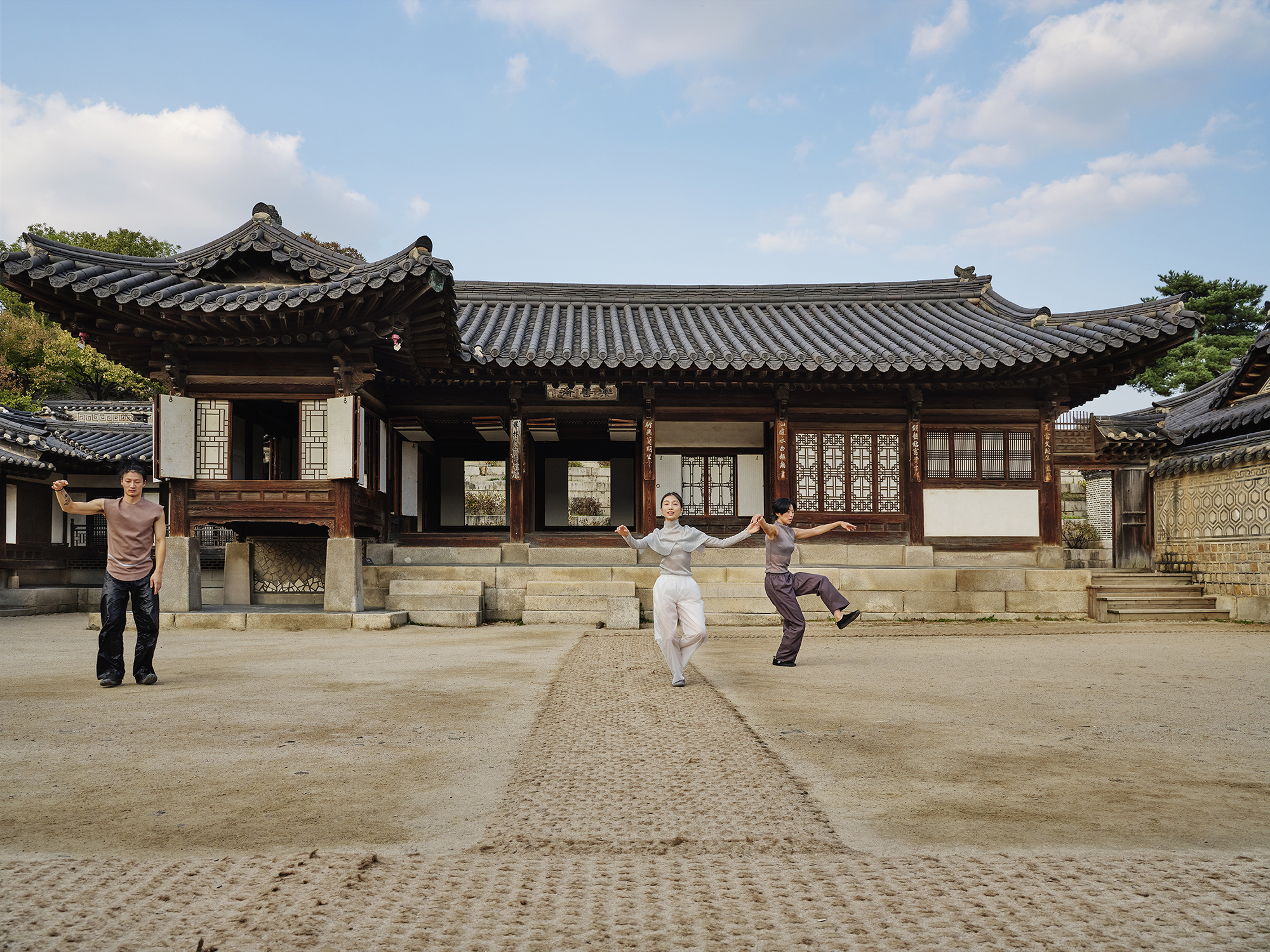
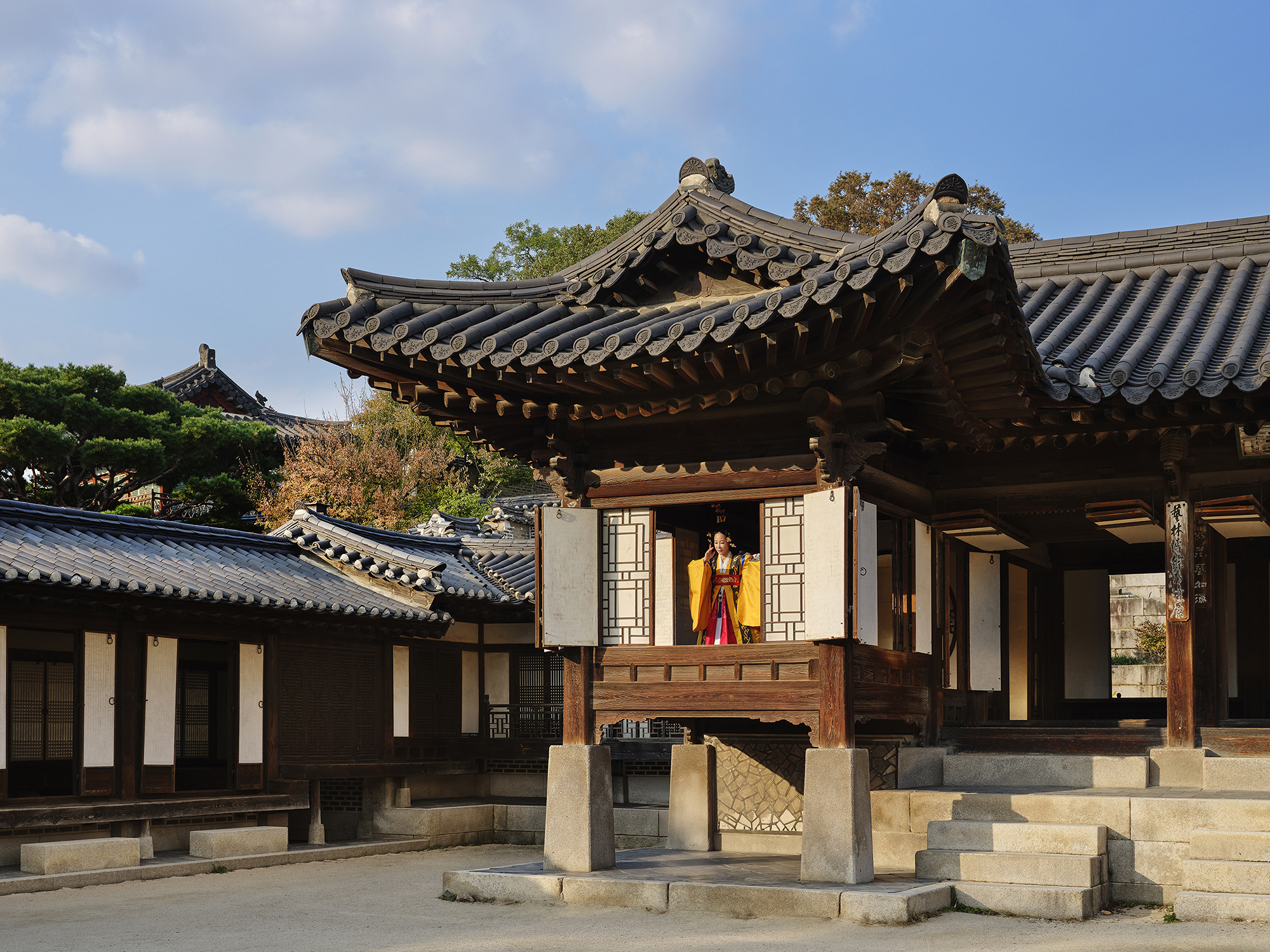
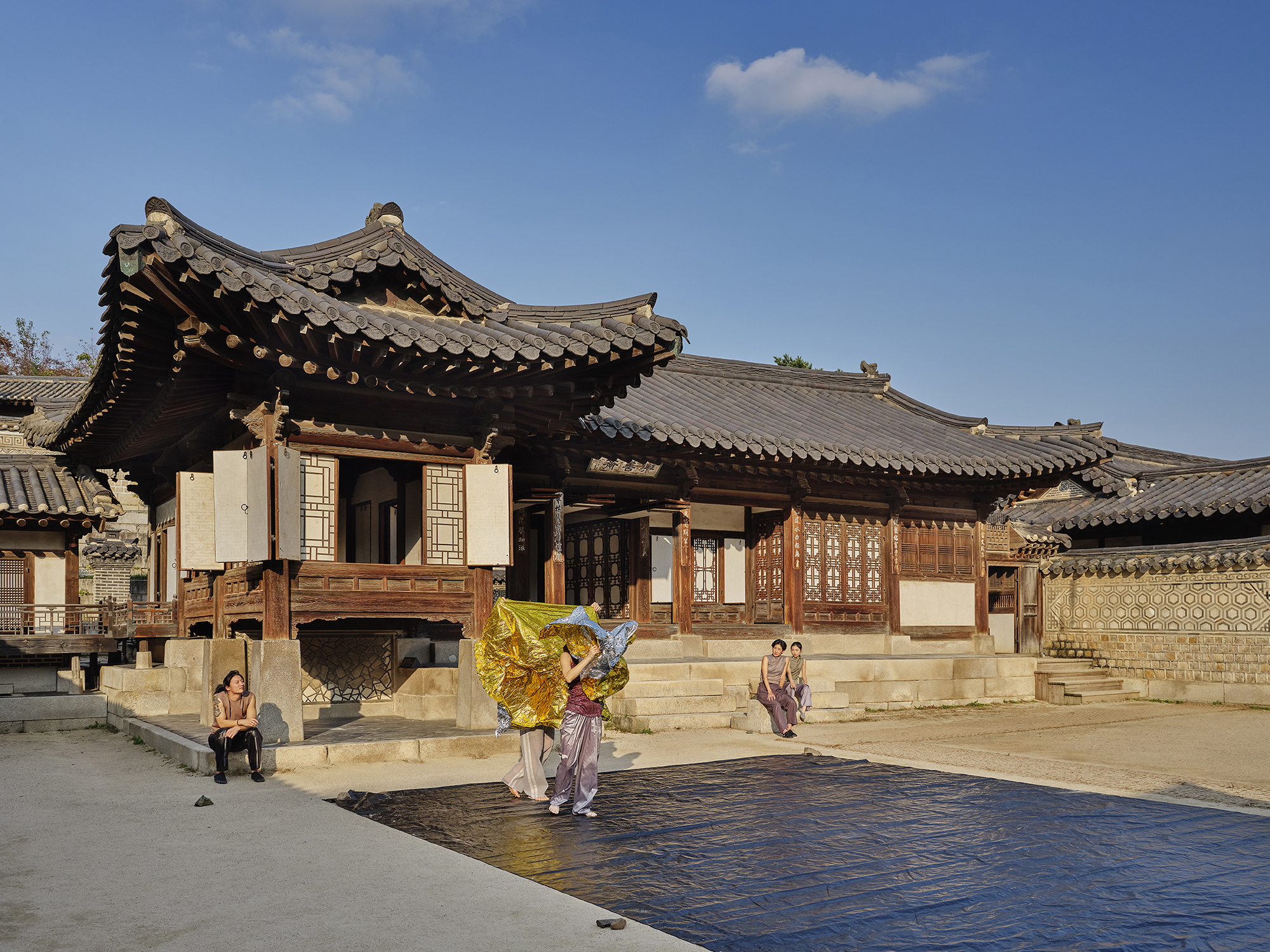
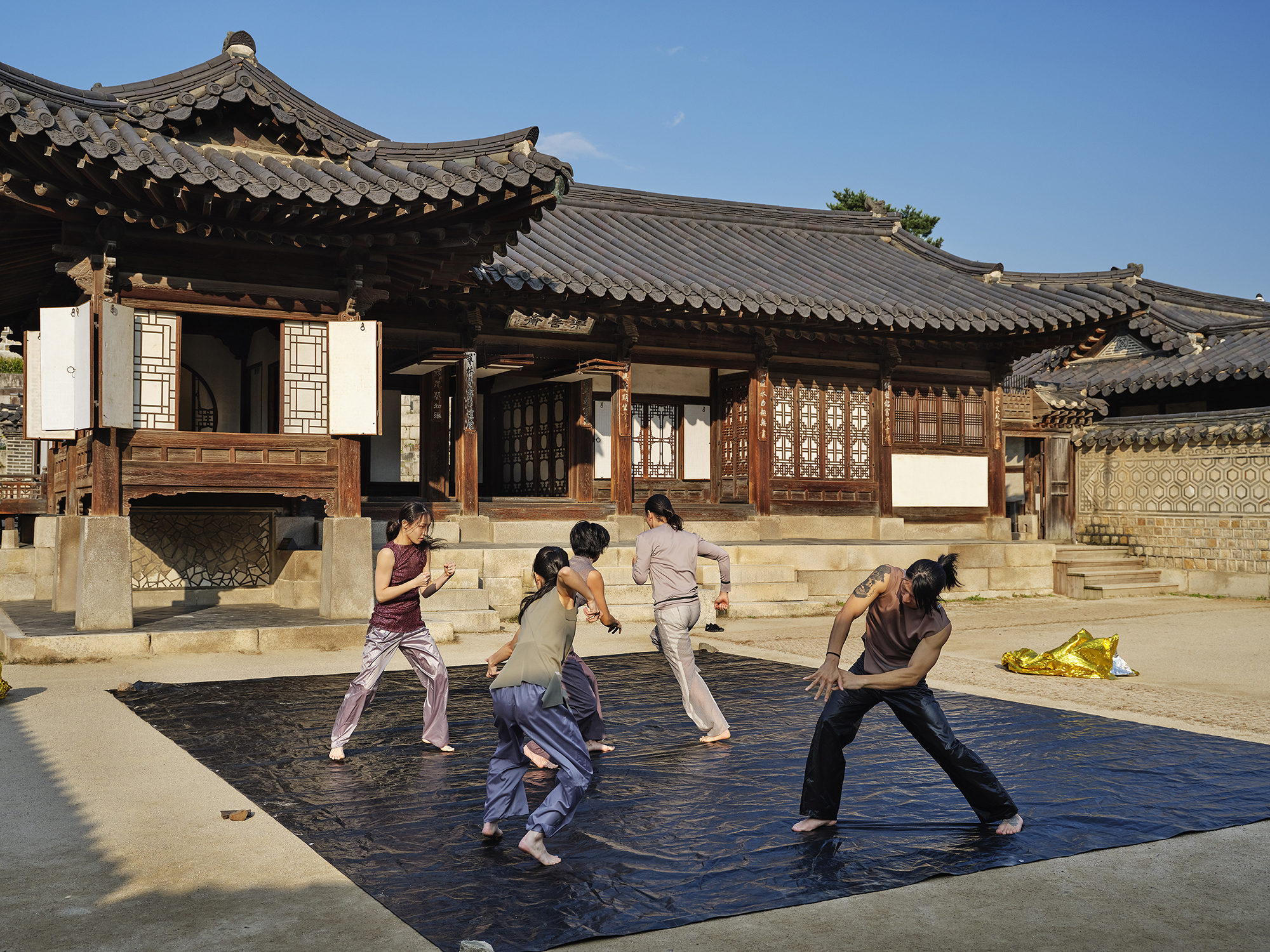
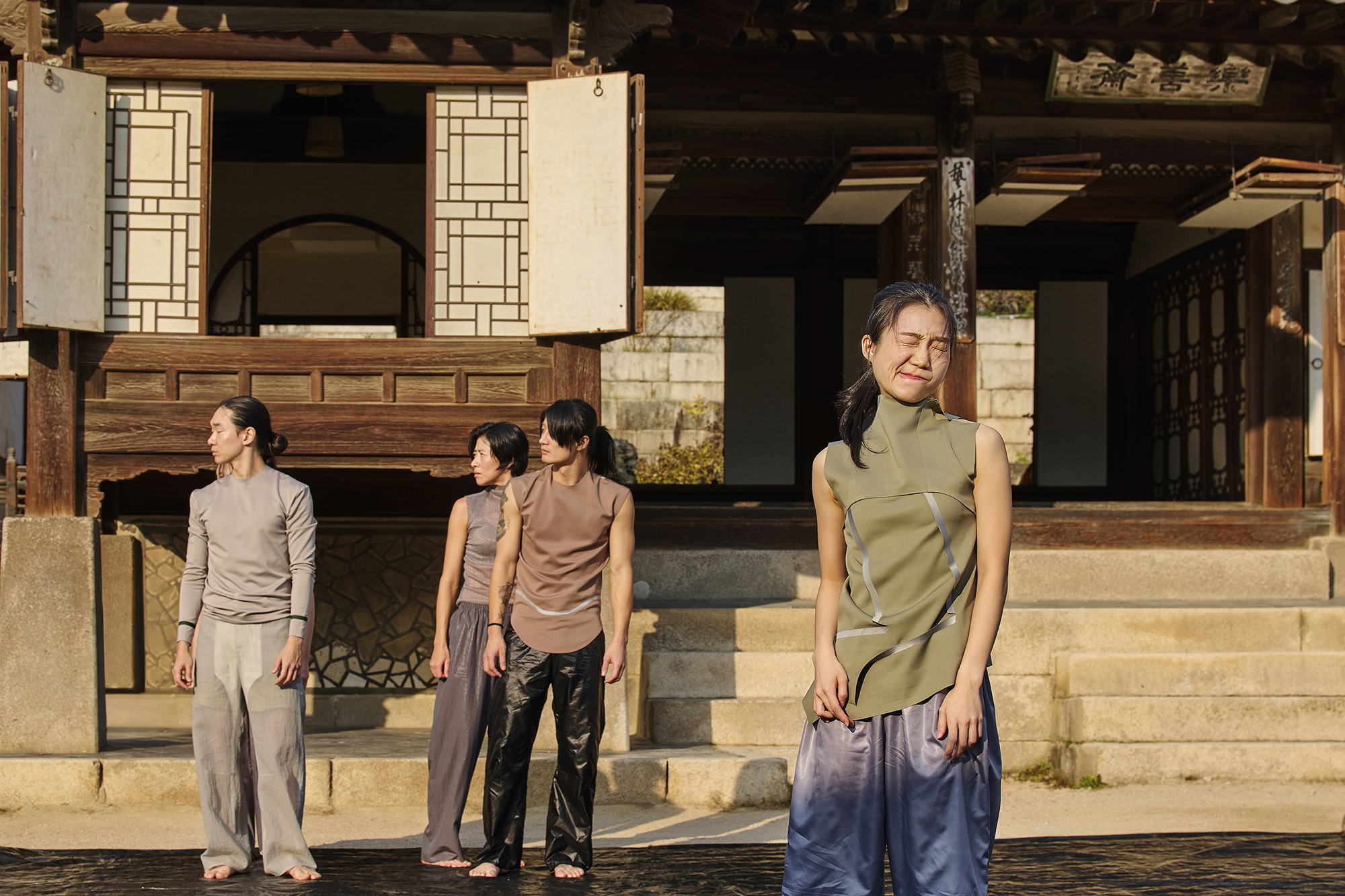
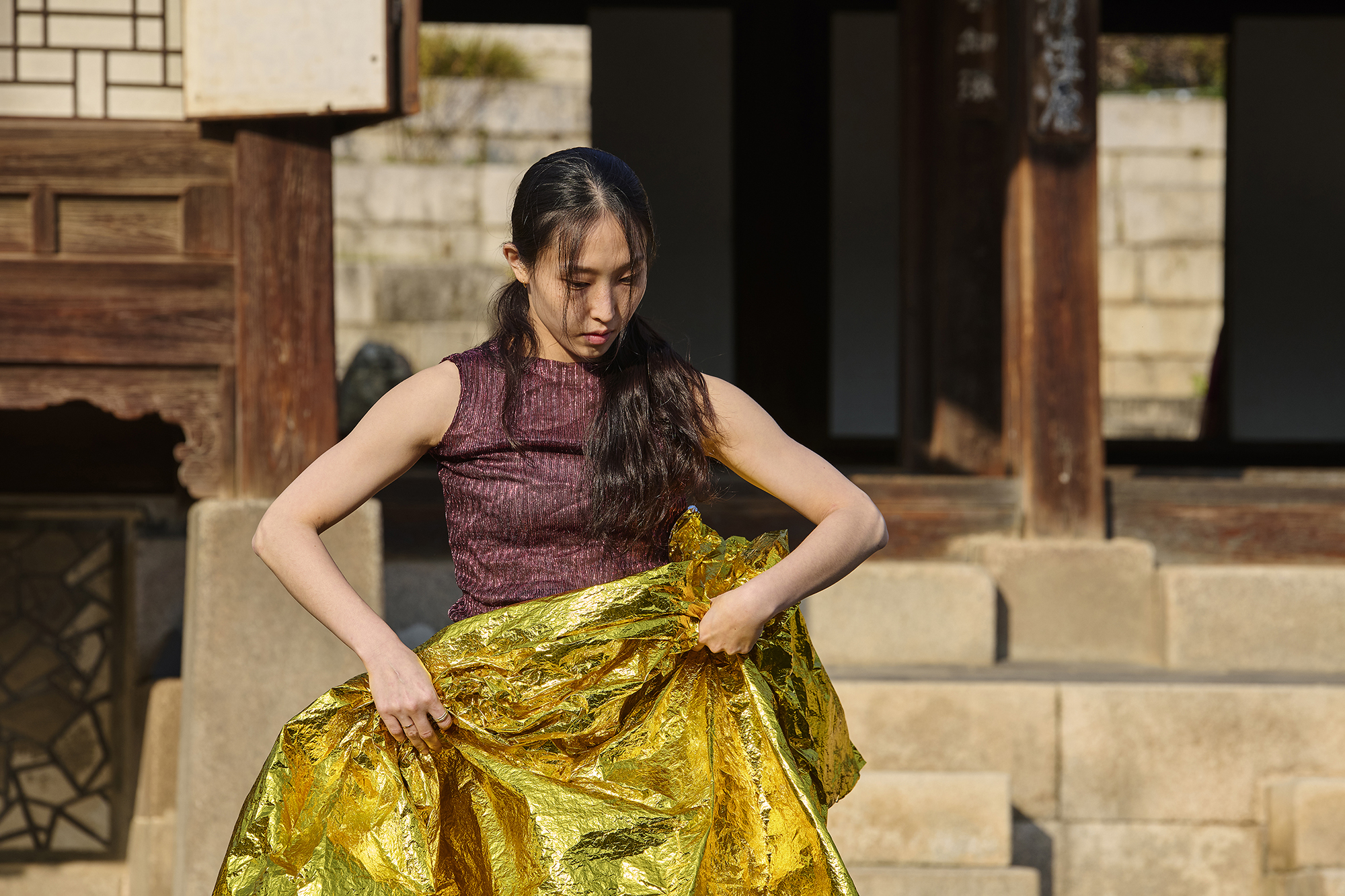
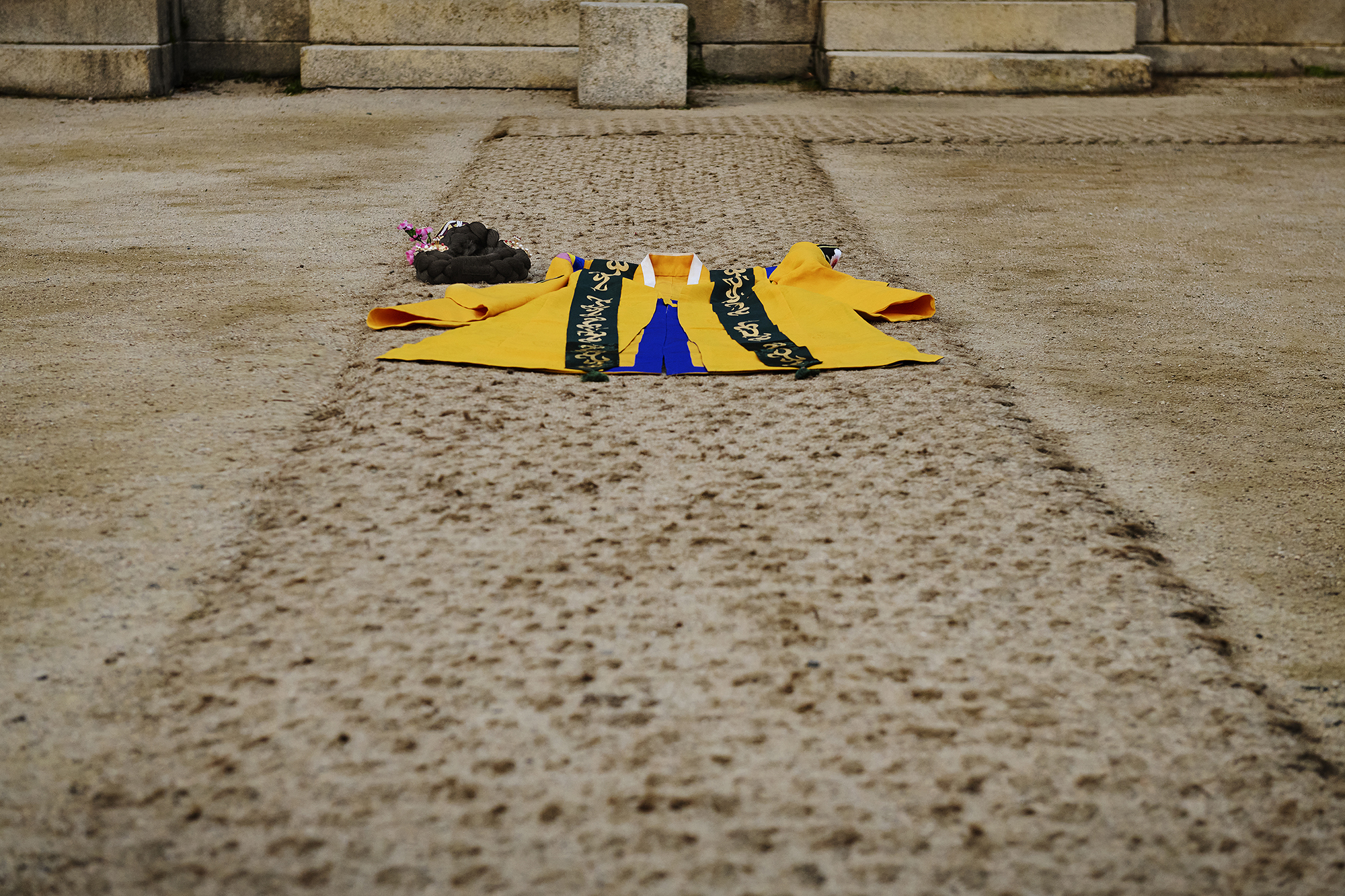
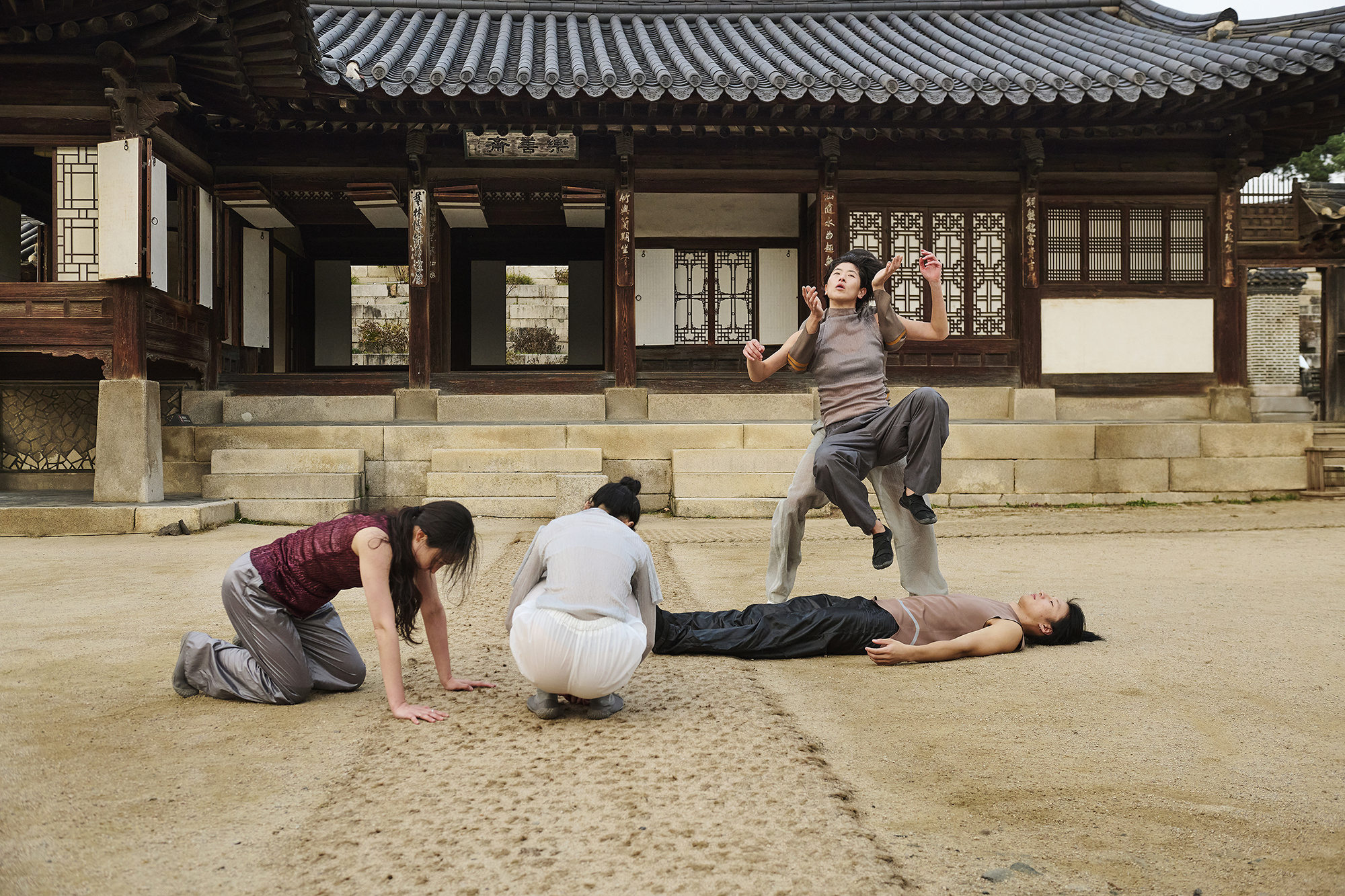
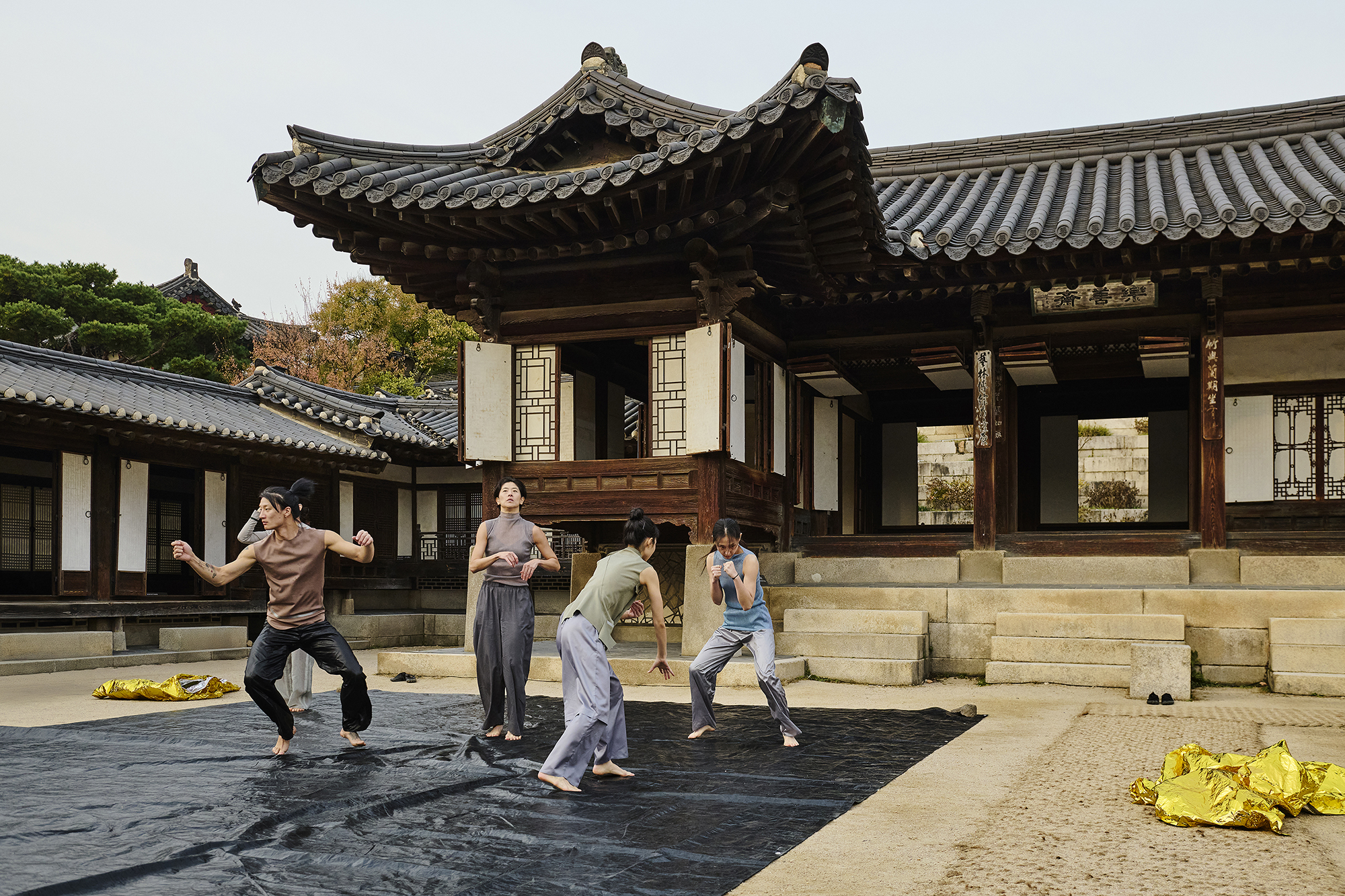
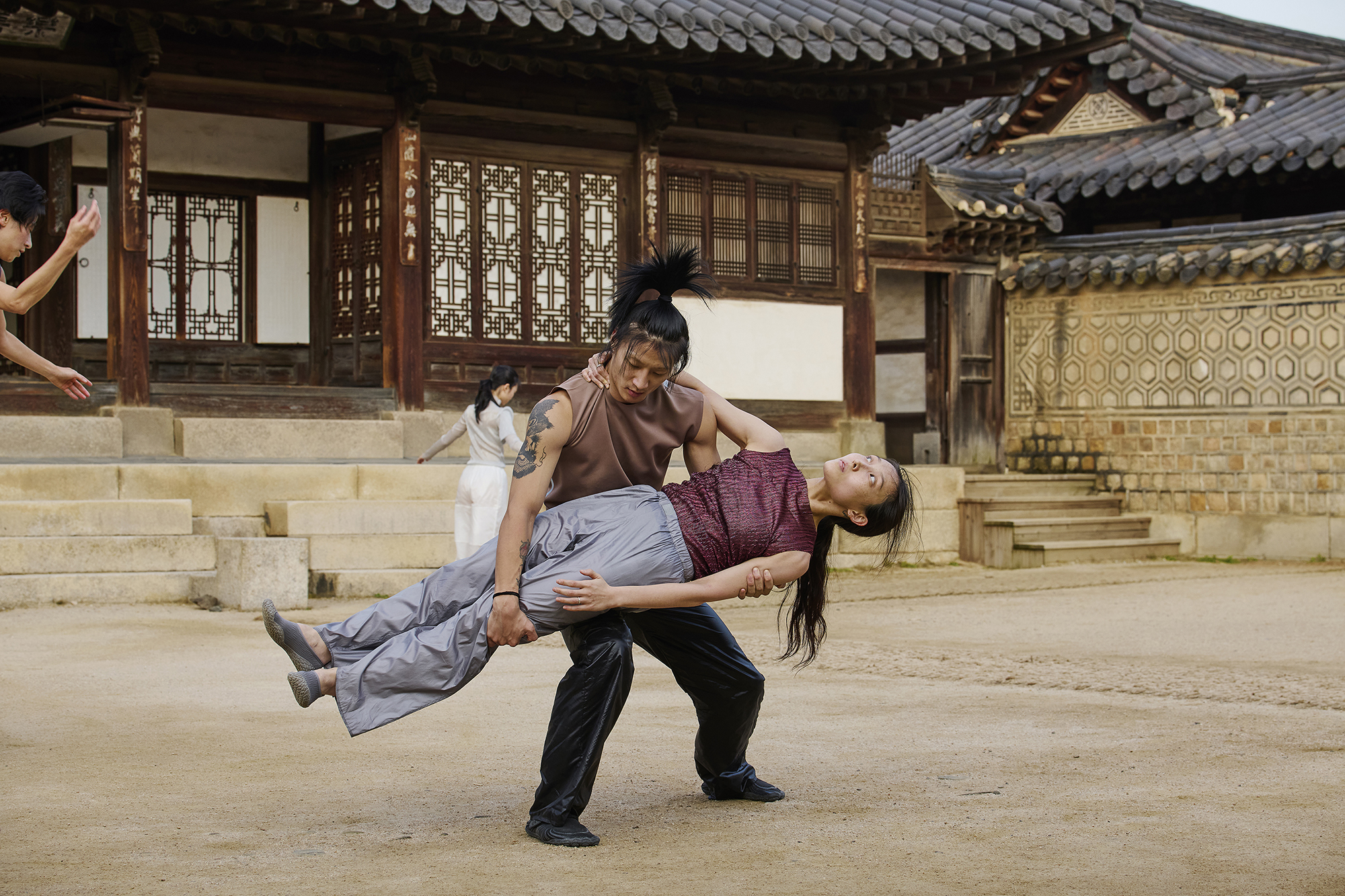
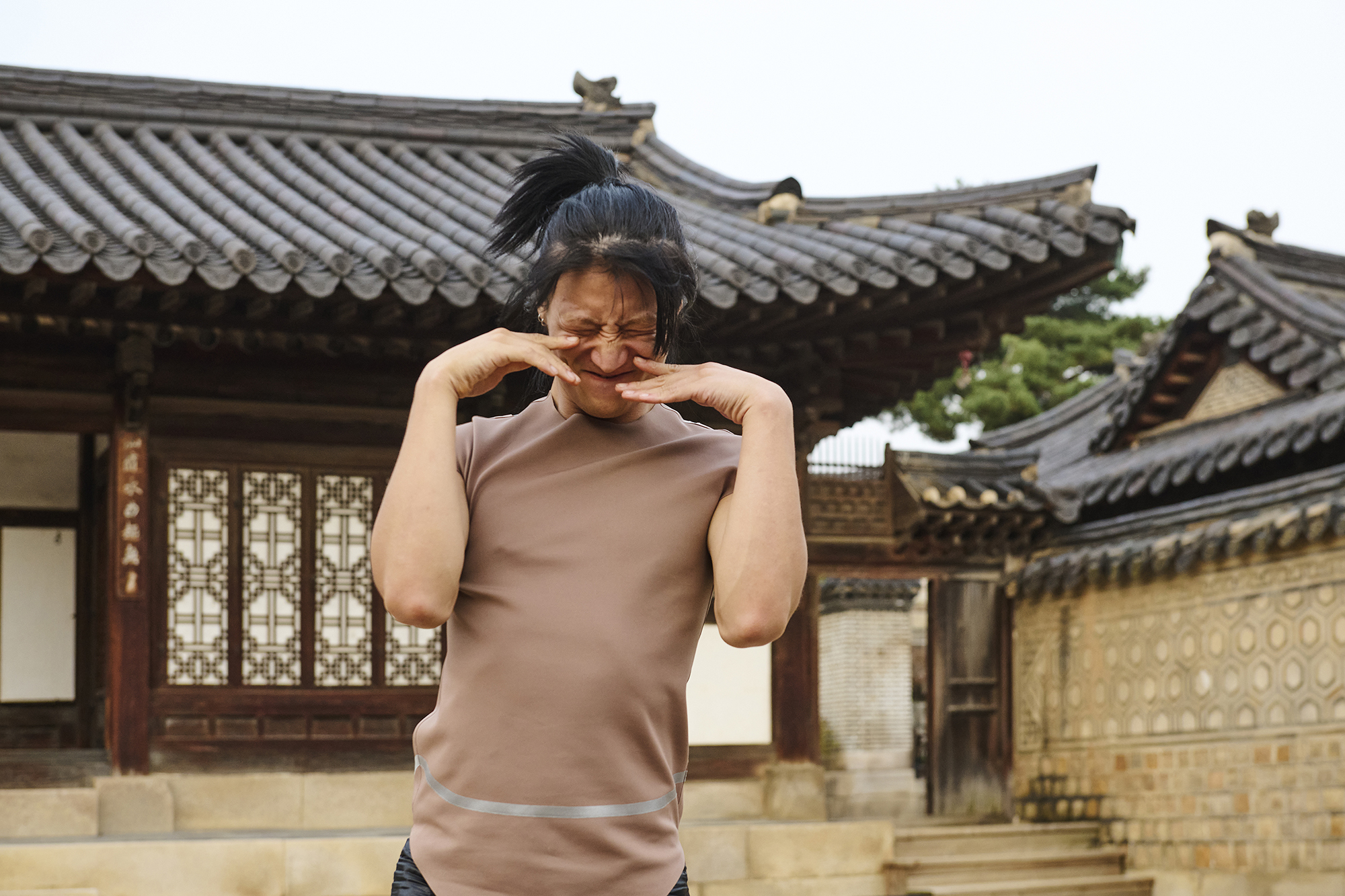
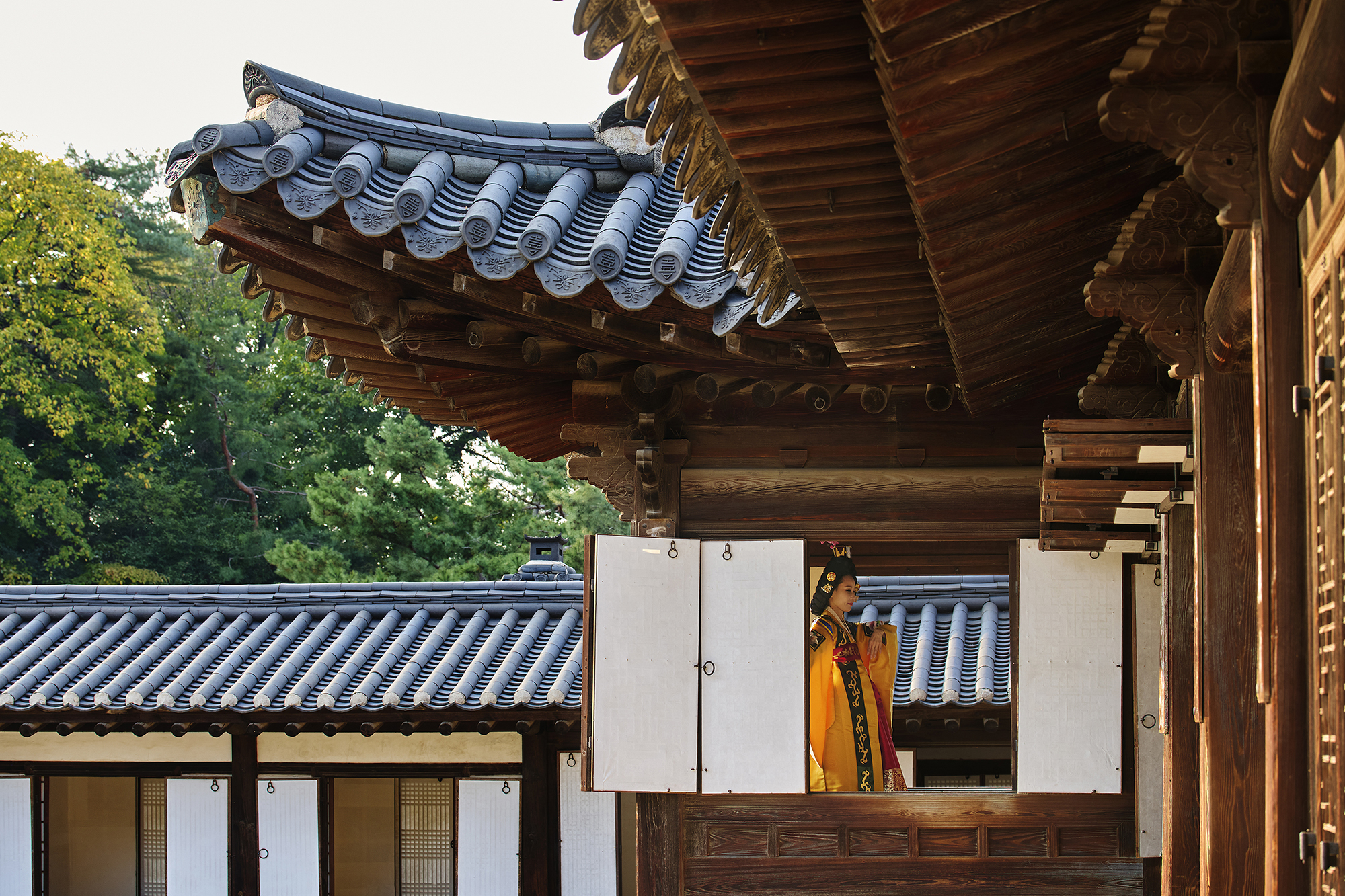
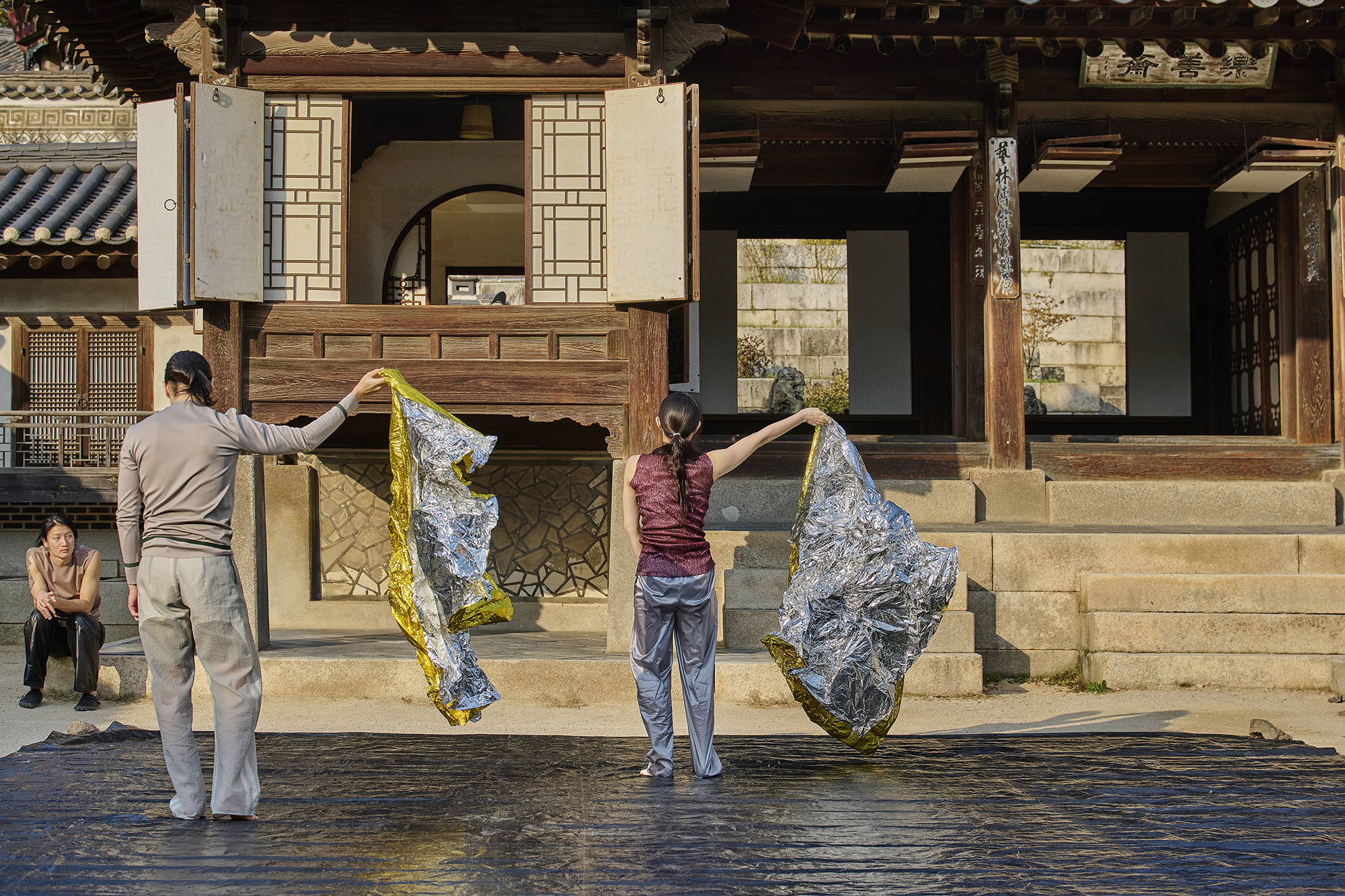
Nakseonjae Hall at Changdeokgung Palace was the final residence of the Joseon royal family—a place where the body of an age lingered at the threshold between an old order and a new era. Those forced to leave returned along distant paths to walk here again. Now new bodies enter. They create a field where reality and illusion meet beyond yesterday, today, and tomorrow. Dreams map a borderless world, making the invisible visible. Movement crosses spatial boundaries, walks with the wind, lingers in the air. Even after the dance departs and dreams clear, we cannot say which side of the threshold we stand on.
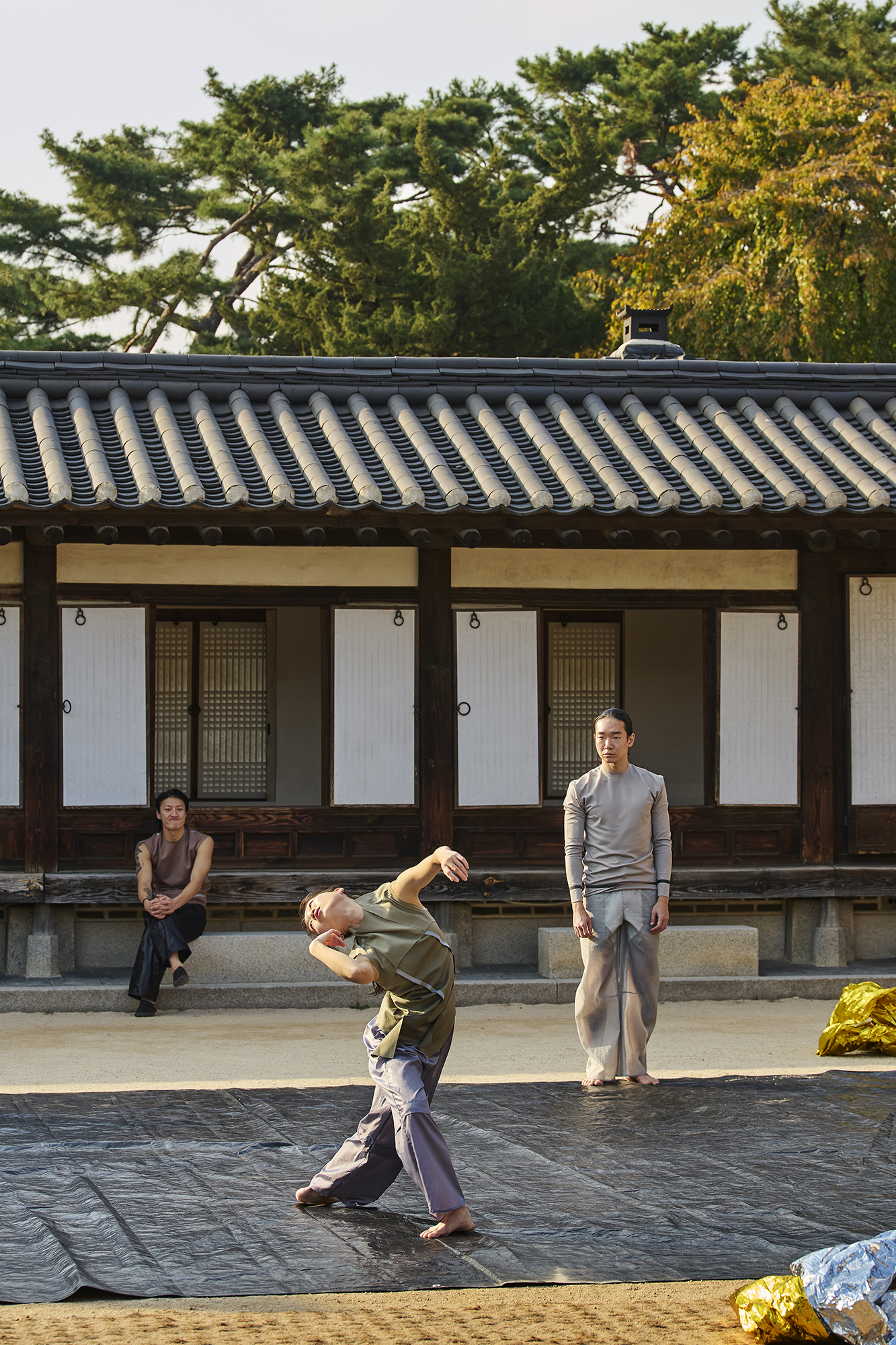
Choreographer Ahn Aesoon meets Italian choreographic duo FRITZ Company—Damiano O. Bigi and Alessandra Paoletti—at Nakseonjae. Artists from distinct cultural trajectories shape a shared language of movement, taking this historic site as physical memory. This co-production commemorating the 140th anniversary of Korea–Italy relations (2024–25) brings two traditions into dialogue: Korean space that breathes with nature through void and interval, Italian architecture that seeks harmony through symmetry and proportion. The body becomes passage and question, a place to explore existence beyond form. Beginning at Nakseonjae, this artistic dialogue continues at historic sites in Verbania, Florence, and Cagliari in June 2026.*
*Research for this work was conducted by Damiano O. Bigi and Alessandra Paoletti at Chiesa di Ognissanti, Florence, in September 2025.
Co-Production
The Butterfly Dream is a co-production between Ahn Aesoon Company and Fabbrica Europa, bringing together Korean and Italian choreographic traditions in dialogue.
Fondazione Fabbrica Europa per le arti contemporanee, based in Florence, has promoted contemporary Italian and international artistic production since its founding, focusing on innovative forms of expression in the performing arts, visual arts, and multimedia. Since 1994, its multidisciplinary Fabbrica Europa Festival has become an internationally recognized platform welcoming renowned artists and emerging talents. Beyond the Festival—which reached its 32nd edition in 2025—Fabbrica Europa develops transnational initiatives exploring new approaches to artistic creation and production, with particular attention to emerging generations.
Review
"An experiment that traverses the boundaries of tradition and modernity, architecture and dance, East and West—creating a 'third language of movement.'" — Jang Ji-won, Dance Post Korea