
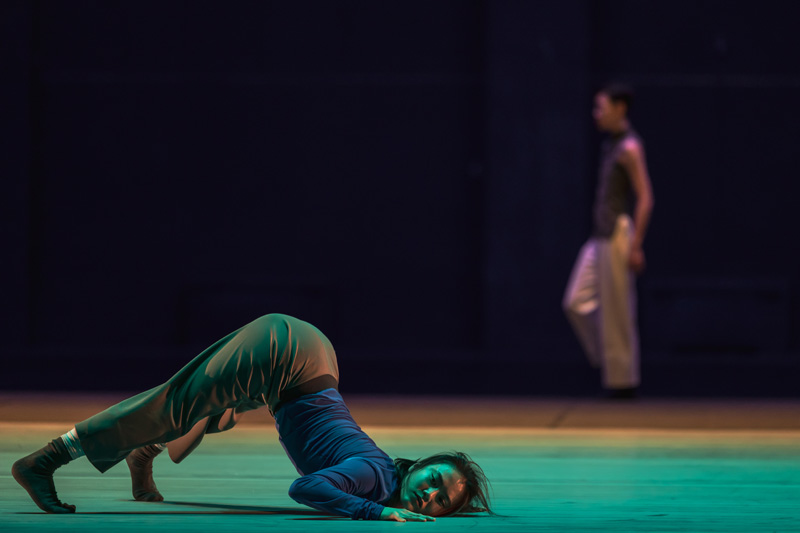
Choi MinSeon
Kang HoJung
Jung JaeWoo
Park SunHwa
Park WooRa
Kim DoHyun
Jung JongWoong
Lee HyunSeok
Do EunSeung
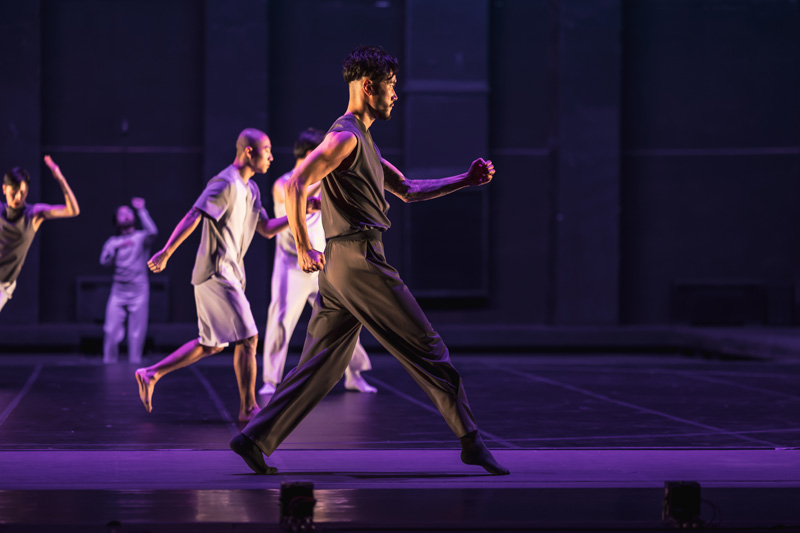
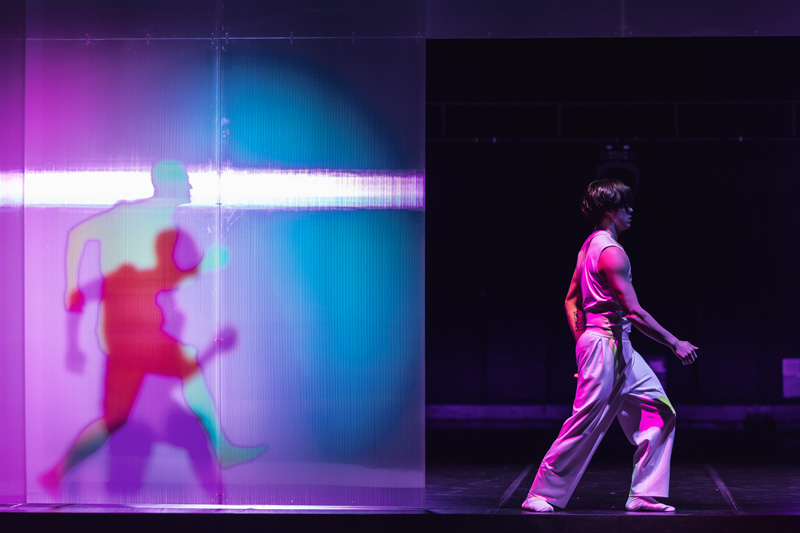
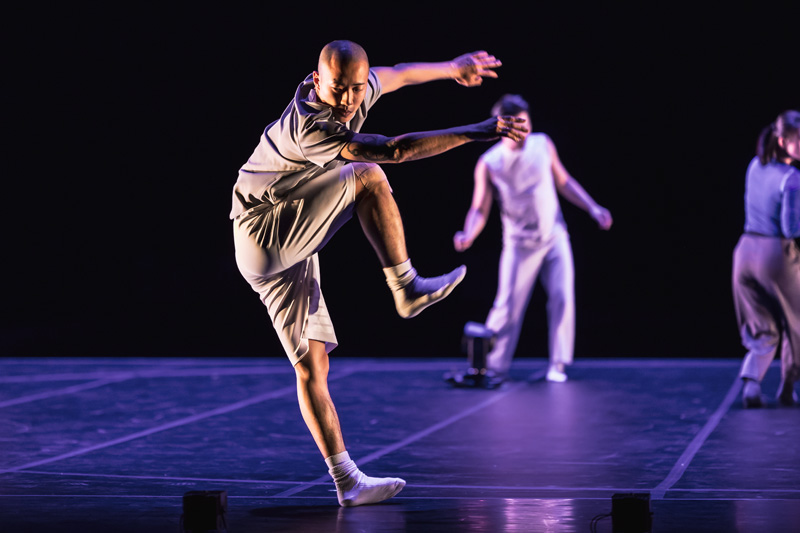

“My body is no longer the same.”
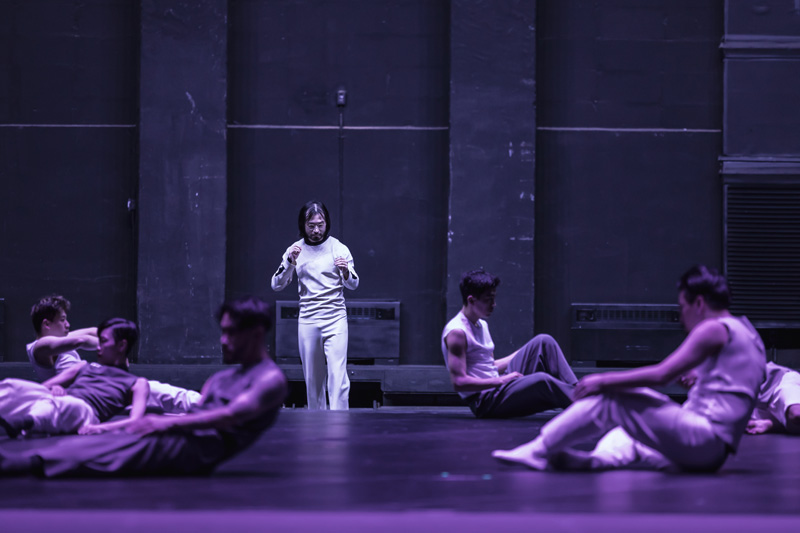
Whether this realization arrives as lament or discomfort, regret or lingering attachment—or even as a moment of surprise—recognizing a transformed body draws us into a complex emotional state, where familiar movements suddenly feel unfamiliar. Those of us who constantly use our bodies encounter a body different from yesterday, every single day.
For those who have passed through growth and entered the phase of aging, it becomes difficult to ignore the time inscribed in a declining body. Situations in which the body’s systems—programmed to maintain homeostasis for survival—begin to falter present themselves with increasing frequency. We may hesitate while searching for ways to halt bodily time, or even to return to a younger body, yet we know that time once passed cannot be retrieved. Even when cutting-edge medical technologies appear to reverse the body’s clock, we understand that this is not truly a return.
Even in this very moment, the clock of the body does not stop. Yet the time etched into the body leaves traces in countless forms. Because time cannot be fixed, change is inevitable—but change also becomes a mechanism for storing memory. Those who enter the space of the body and mobilize its vitality come to accept this not as a limitation, but as another possibility, another force through which life is shaped.
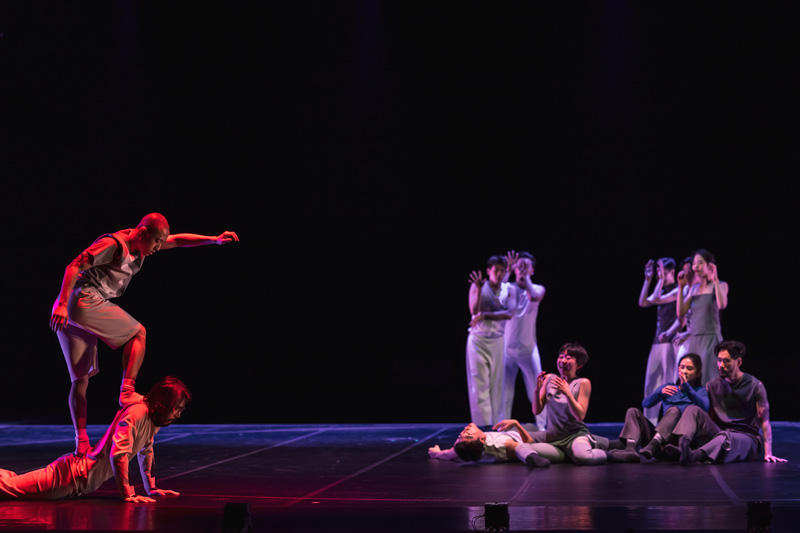
Approximately one year after the premiere of Body Writing, the artists gathered again for its revival and first recognized how far they had already moved away from that earlier moment. In the intervening time, each had passed through different experiences, inscribing distinct histories into their bodies. Bodies changed, emotions changed, and circumstances changed. Just as the time of the body cannot be stopped, the time of a work created by multiple bodies could no longer be contained within a single frame.
In Body Writing, where the body functions as a site of memory and the movement it performs becomes an act of recollection, the question of how to mobilize changed circumstances became inseparable from the working attitude toward the body itself. What to preserve, what to transform, and how to articulate the essential message of Body Writing thus emerged as a task requiring careful deliberation—one forged through living the time of the pandemic and reawakening the body anew.
The movements that arose from urgent questions posed during a time when nothing could be taken for granted were distilled into gestures that ask more fundamental questions of the body itself. Responding organically to changed circumstances—like a body adapting to its environment—this work continued to evolve, ultimately developing into the 2023 version of Body Writing.
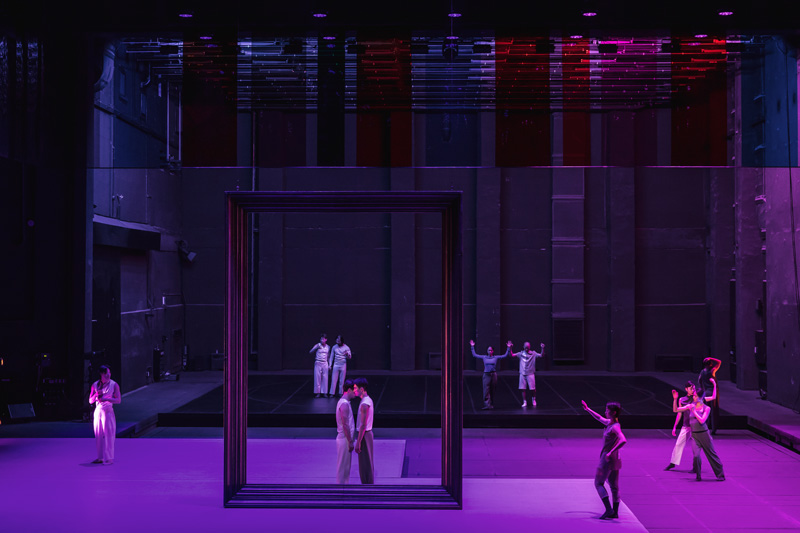
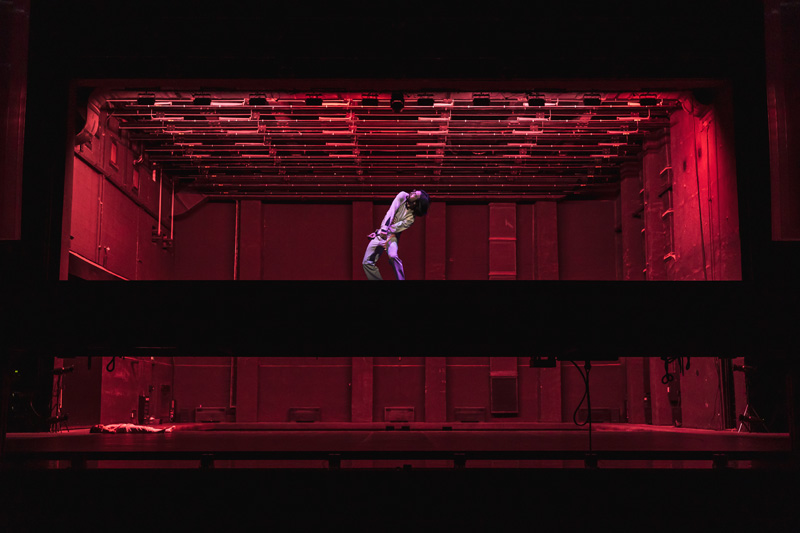
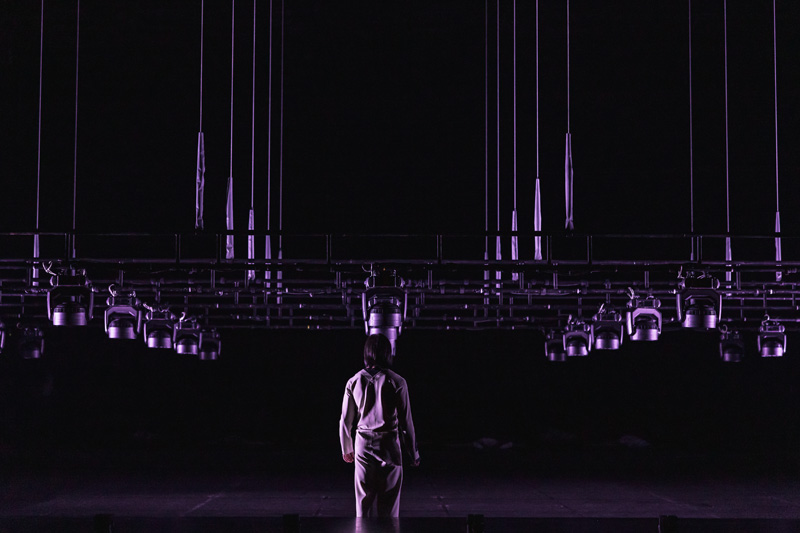
If, in Body Writing, the body is a space that records, remembers, and summons time, then the physical space of CJ Towol Theater becomes another body—one that receives, responds to, and modulates the dancers’ movements. Breathing alongside them, it generates its own movement. The stage apparatus, designed for efficient theatrical transformation, operates within clearly defined ranges, inevitably revealing the limits of machinery. Yet even within these constraints, it subtly longs for different directions and speeds of movement.
When the reasons a dancer’s body moves resonate clearly, such familiarity may be recontextualized as something newly perceived by the audience. As the physical limits of the body and the theater intersect and complement one another, the latent possibilities embedded in each movement are amplified. In this sense, Body Writing opens itself as a site where one may encounter a body that is, indeed, “not the same as before.”